Design around a wall clock: the styling secrets
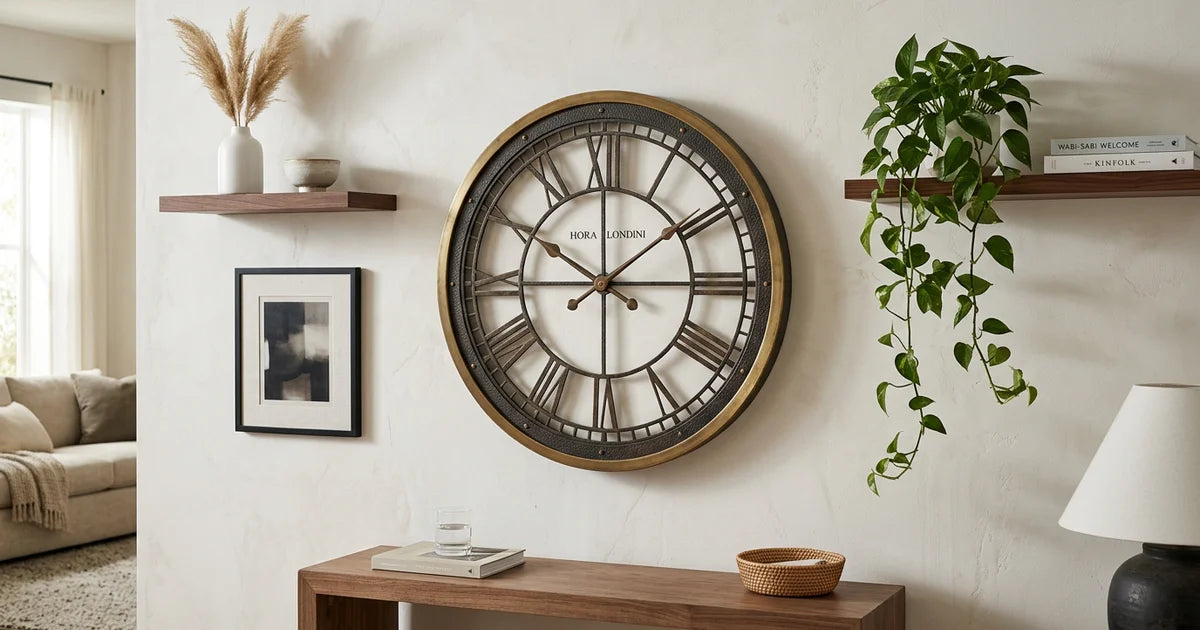
Essential to remember : Treat your wall clock as a focal point by applying the rule of two-thirds-making it span roughly two-thirds the width of underlying furniture like sofas or consoles to achieve visual balance. Success comes from harmonizing scale, materials, and placement to transform a functional timepiece into a cohesive architectural anchor that elevates your entire space. This approach prevents common design mistakes like oversized clocks suffocating small rooms or tiny timepieces looking lost on large walls.
Designing around a wall clock requires treating it as a focal point. Harmonizing scale, materials, and placement transforms functional timekeeping into a cohesive style statement. Applying the "rule of two-thirds" relative to underlying furniture guarantees visual balance, ensuring the arrangement anchors the room effectively.
Does your chosen timepiece look like a lonely island floating on a vast wall, leaving your room feeling unfinished despite your best efforts? Mastering the art of how to design around wall clock features is the missing link that transforms a simple utility object into a cohesive architectural anchor. This article reveals expert techniques for balancing scale, utilizing gallery layouts, and harmonizing materials to ensure your wall decor commands attention and elevates the entire space.
- A Clock Is Not Just a Clock: Getting the Fundamentals Right
- Beyond the Clock: Building a Cohesive Wall Feature
- Style and Substance: Matching Materials and Mood
- Adapting the Design to the Room's Function
Our aesthetic wall clocks collection gathers the pieces this guide draws from.
A Clock Is Not Just a Clock: Getting the Fundamentals Right

It's All About Scale and Proportion
Most home designs fail right here. A tiny timepiece on a massive wall looks ridiculous, while an oversized one suffocates a tight room. You need the rule of two-thirds to stop your space from feeling awkward.
Look at what sits underneath. If you hang it above a sofa or console, the clock should span roughly two-thirds of the furniture width to feel anchored.
It's not a rigid law, obviously. But sticking to this ratio guarantees a cohesive look and prevents those rookie design errors we see too often.
Finding the Perfect Spot
Don't just stick it dead center. To properly design around wall clock placements, try spots like above a fireplace, headboard, or main sofa. These create a focal point that feels intentional.
Leverage your room's architecture. Positioning a clock between two windows forces symmetry, while hanging one at the end of a hallway draws the eye, creating depth. It's an old trick interior designers use to manipulate how big a space feels.

- What is the main sightline when entering the room?
- Does this spot compete with other major elements like a large TV?
- Is the height comfortable for viewing, not too high, not too low?

For the bigger picture on styling walls around a timepiece, see our guide to wall clock decor.
Beyond the Clock: Building a Cohesive Wall Feature
Once you've nailed the scale and placement, the real design work begins. It's all about what happens around the clock.
The Gallery Wall Approach
You have two solid options here. Make the clock the centerpiece with smaller frames radiating outward like a sunburst. Or, treat it as just one element in an eclectic, asymmetrical collection. This second method feels more organic.
Stick to a strict theme or color palette to avoid visual chaos. A black and white gallery paired with a sleek metal clock creates an incredibly chic effect. It ties the whole look together instantly.
Don't start drilling holes immediately. Lay everything out on the floor first to visualize the arrangement perfectly.

Playing with Light and Surrounding Decor
Lighting often gets ignored, but it shouldn't. Flanking your timepiece with a pair of wall sconces adds instant symmetry. This setup brings a touch of elegance, especially in a formal living room. It highlights the clock beautifully.
Now, think about texture and depth to design around wall clock features effectively. Mix in floating shelves, trailing plants, or even mirrors. These elements turn a flat wall into a dynamic decorative scene. It stops the room from feeling sterile.
- Pair a modern clock with asymmetrical floating shelves holding minimalist objects.
- Flank a traditional clock with identical vertical sconces for a formal look.
- Create a natural feel by surrounding a wooden clock with various small potted plants.
Style and Substance: Matching Materials and Mood
The style of the clock itself is your primary guide. Ignoring its material and aesthetic 'language' is a rookie mistake.
Sleek Contemporary and Minimalist Design
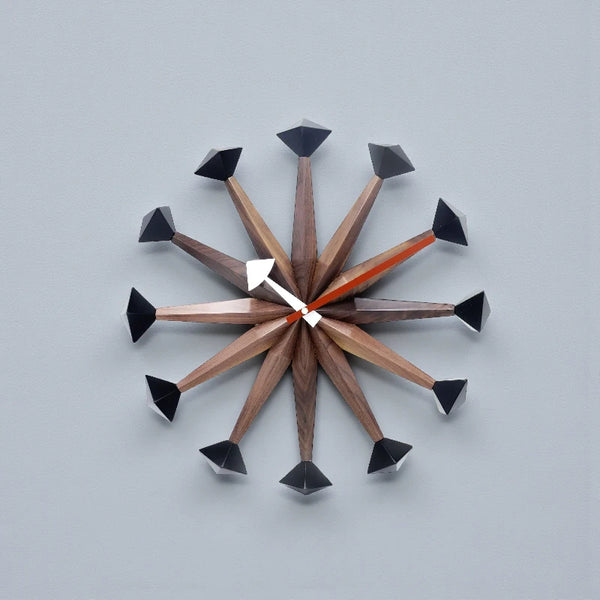
In modern interiors, less is definitely more. Your timepiece becomes a sculptural work here. Think about simple dials without numbers. Look for materials like brushed metal, smooth concrete, or acrylic.
The wall itself acts as a part of the design. A dark wall makes a metallic clock pop, creating an instant, dramatic contrast.
Keep the surrounding decor sparse to design around wall clock features effectively. This allows the object to breathe and express itself fully.
Embracing Rustic and Industrial Character
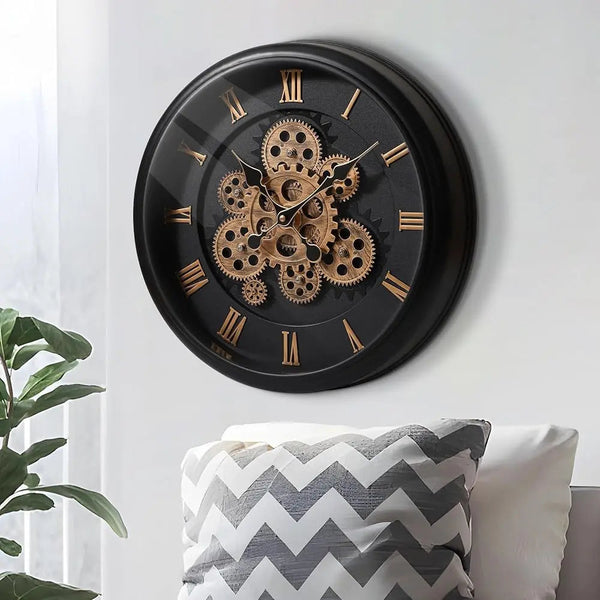
These styles feed heavily on raw texture and history. Clocks crafted from reclaimed wood, raw metal with exposed gears, or aged slate are ideal choices.
The surrounding design must complete this specific mood. Think about exposed brick walls or worn leather furniture. Add objects made from natural or recycled materials. The clock must seem to belong to the history of the place.
Do not fear very large clocks in this context. They often serve as a powerful visual anchor point.
| Style | Clock Materials | Wall & Decor Pairing |
| Modern/Minimalist | Concrete, brushed metal, acrylic | Plain, dark-colored walls; sparse decor; clean lines |
| Industrial | Raw metal, exposed gears, aged steel | Exposed brick or concrete walls; leather furniture; metal accents |
| Rustic/Farmhouse | Reclaimed wood, shiplap, slate | Neutral or shiplap walls; natural textiles; handcrafted items |
Adapting the Design to the Room's Function
Finally, great design isn't one-size-fits-all. A living room clock doesn't play by the same rules as one in the kitchen.
The Living Room: Making a Statement
The living room is where you can be bold. It is the perfect spot for an oversized clock that acts as functional art and a conversation starter.
The surrounding design must support this leading role. Keep the immediate area relatively clear to give it significance. You want the eye to land there naturally.
Kitchen, Office, and Bedroom: A Practical Approach
In these rooms, function shares the spotlight with aesthetics. A kitchen clock must be incredibly easy to read while cooking. A bedroom clock absolutely requires a silent mechanism so it never disturbs your precious sleep.
The design can also be more practical. In the kitchen, associate it with decorative utensil holders on a nearby rack. To design around wall clock placements in the office, put it in your field of view without it being a distraction. You avoid losing focus this way.
- Kitchen: Prioritize legibility and place away from direct grease or steam. Pair with herb pots on a shelf.
- Office: Position for quick glances, not constant staring. A minimalist design reduces distraction.
- Bedroom: Choose a silent, non-ticking clock. A calming design with soft materials works best.
Designing around a wall clock transforms a functional object into a defining element of your interior. By mastering scale, placement, and material harmony, you create a cohesive look that elevates the entire room. Whether acting as a bold statement or a subtle accent, the right clock anchors your decor and reflects your unique style.
Your questions, answered
How do I decorate the wall space around a wall clock?
What decor items pair best with a large wall clock?
What are the current design trends for wall clocks?
Are there specific places where I should avoid hanging a wall clock?