When Do the Clocks Change in 2027? Daylight Saving Time Dates and How to Reset Your Clocks
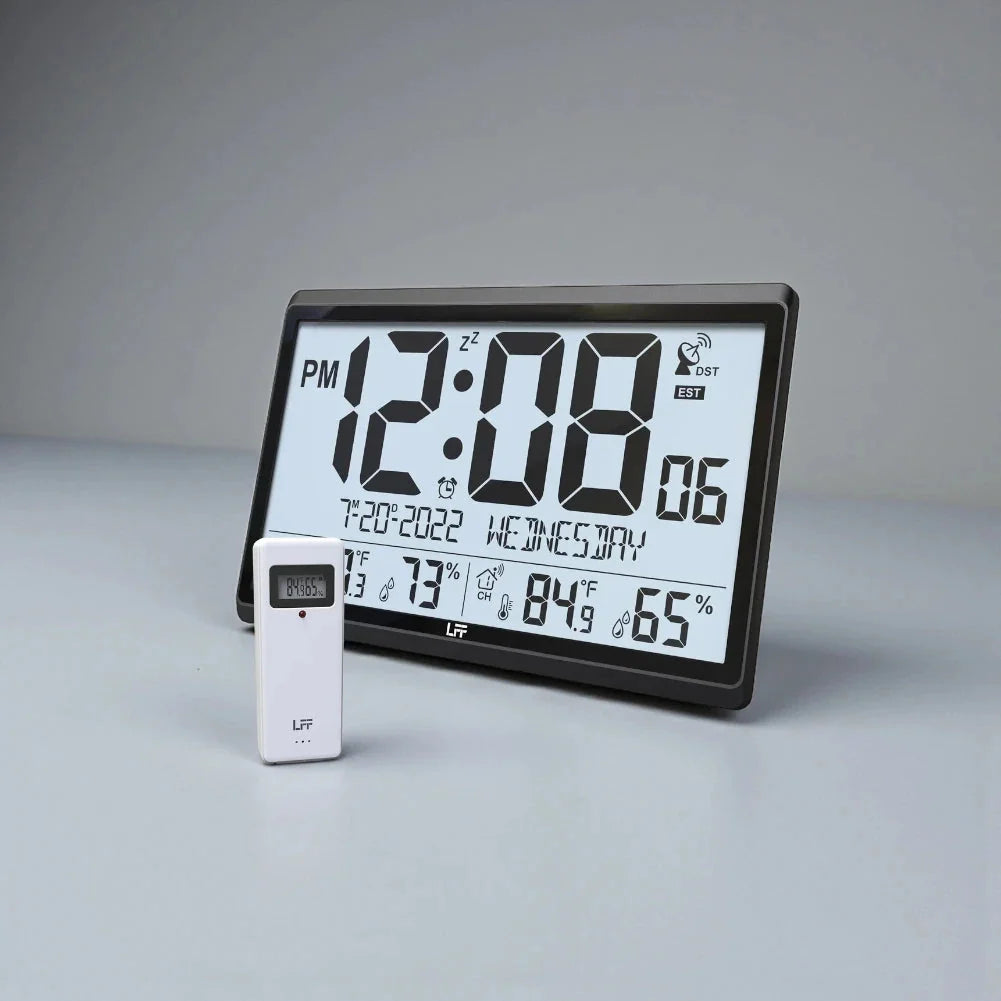
In short. In the United States and most of Canada, clocks spring forward one hour at 2:00 a.m. on Sunday, March 14, 2027, and fall back one hour at 2:00 a.m. on Sunday, November 7, 2027. In the United Kingdom and the European Union, clocks go forward on Sunday, March 28, 2027, and back on Sunday, October 31, 2027. Phones, computers and radio-controlled atomic clocks change on their own; most wall clocks, ovens and car clocks have to be changed by hand.
Twice a year, the same question comes back: do the clocks go forward or back, and when? This page gives the 2027 daylight saving time dates for the main countries, the rule behind each date, which clocks change by themselves, and how to reset the ones that do not.
Daylight saving time 2027 dates by country
"Spring forward, fall back": in spring, clocks move one hour ahead and you lose an hour of sleep; in autumn, they move one hour back and you gain one.
| Country or region | Clocks go forward | Clocks go back |
|---|---|---|
| United States and most of Canada | Sunday, March 14, 2027, at 2:00 a.m. local time | Sunday, November 7, 2027, at 2:00 a.m. local time |
| United Kingdom and Ireland | Sunday, March 28, 2027, at 1:00 a.m. | Sunday, October 31, 2027, at 2:00 a.m. |
| European Union | Sunday, March 28, 2027, at 01:00 UTC | Sunday, October 31, 2027, at 01:00 UTC |
| South-east Australia (NSW, Victoria, ACT, Tasmania, South Australia) | Sunday, October 3, 2027, at 2:00 a.m. | Sunday, April 4, 2027, at 3:00 a.m. |
| New Zealand | Sunday, September 26, 2027, at 2:00 a.m. | Sunday, April 4, 2027, at 3:00 a.m. |
In the southern hemisphere, the seasons are reversed: clocks go back in April and forward in September or October.
How the dates are set
Each country fixes its clock changes by a rule, not by a date, which is why the day moves from year to year.
- United States and Canada: second Sunday in March and first Sunday in November, at 2:00 a.m. The US has used these dates since 2007.
- United Kingdom and European Union: last Sunday in March and last Sunday in October, at the same instant everywhere, 01:00 UTC.
- Australia: first Sunday in October and first Sunday in April, in the states that observe it.
- New Zealand: last Sunday in September and first Sunday in April.
Clock change dates for 2026, 2027 and 2028
| Year | United States and Canada | United Kingdom and EU |
|---|---|---|
| 2026 | March 8 and November 1 | March 29 and October 25 |
| 2027 | March 14 and November 7 | March 28 and October 31 |
| 2028 | March 12 and November 5 | March 26 and October 29 |
The first date is when clocks go forward, the second when they go back.
Places that do not change their clocks
- United States: Hawaii, most of Arizona (the Navajo Nation does change) and the US territories, such as Puerto Rico and Guam.
- Canada: most of Saskatchewan, and Yukon, which has stayed on the same time all year since 2020.
- Mexico: no clock changes since 2022, except in some municipalities along the US border.
- Australia: Queensland, Western Australia and the Northern Territory.
- Asia: Japan, China and India do not use daylight saving time.
Which clocks change by themselves?
| Clock | Changes by itself? | Why |
|---|---|---|
| Smartphone, computer, smart speaker | Yes | Sets itself from internet time |
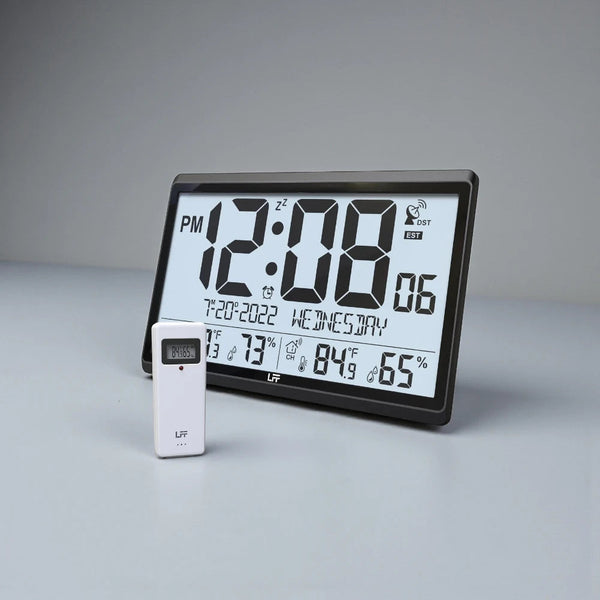
| Radio-controlled atomic clock | Yes, overnight | The time signal tells it when daylight saving time starts and ends |
| Clock with automatic DST | Yes | A built-in calendar knows the dates; it would be wrong if the law changed |
| Battery quartz wall clock | No | No connection to any time source |
| Mechanical and pendulum clock | No | Set by hand |
| Oven, microwave, car clock | Usually not | Set with their buttons |
An atomic clock only switches if its daylight saving time setting is on and its time zone is right. If yours did not change after the night, see how to reset an atomic wall clock; for a new one, how to set an atomic wall clock.
How to change each type of clock
- Battery quartz wall clock: take it off the wall and turn the small time-setting knob on the back of the movement, forward one hour in spring and back one hour in autumn. Do not force the hands with your fingers.
- Atomic clock: nothing to do. If the time is still wrong the next morning, check the DST switch and the time zone, then force a sync with the reset button.
- Pendulum or chiming clock in spring: move the minute hand forward, clockwise, and pause at each hour and half hour to let the chime finish.
- Pendulum or chiming clock in autumn: rather than turning the hands backward, stop the pendulum for one hour, then start it again.
- Digital clock: use the set buttons, or the DST button if it has one.
The weekend of the clock change is also a good time to put a fresh battery in wall clocks: see our guide to wall clock batteries. For a pendulum clock that runs fast or slow afterward, see how to regulate a pendulum clock. Our wall clock maintenance guide covers everything else a clock needs during the year.
Will daylight saving time become permanent?
Not yet. In the United States, the Sunshine Protection Act, which would keep daylight saving time all year, passed the House of Representatives in July 2026. It still needs a vote in the Senate and the president's signature. Until a law is passed, clocks keep changing twice a year on the dates above, and we will update this page if that changes.
Want clocks that never need resetting? Compare the types in our guide to types of clocks, or browse our digital wall clocks.
Your questions, answered
When do the clocks go forward in 2027?
When do the clocks go back in 2027?
Do the clocks go forward or back in March?
Do atomic clocks change automatically for daylight saving time?
What time do the clocks change?
Why do we change the clocks?