Wall clock maintenance: keep your timepiece perfect
Preserving a wall clock requires gentle dusting and a stable environment away from humidity or direct sunlight. Since 90% of quartz malfunctions stem from battery issues, using high-quality alkaline replacements annually is crucial. Avoiding catastrophic errors like applying WD-40 protects delicate mechanisms, ensuring the timepiece remains functional and aesthetically sharp for years.
Is your cherished timepiece constantly losing minutes or stopping completely, slowly turning a functional treasure into nothing more than silent wall decoration? Mastering the art of wall clock maintenance acts as the only reliable solution to restore its precision while preventing costly, irreversible damage to the delicate internal mechanism. We reveal expert cleaning secrets and specific preventative care strategies that guarantee your heirloom remains accurate and visually stunning for generations.
Preserving a wall clock requires gentle dusting and a stable environment away from humidity or direct sunlight. Since 90% of quartz malfunctions stem from battery issues, using high-quality alkaline replacements annually is crucial. Avoiding catastrophic errors like applying WD-40 protects delicate mechanisms, ensuring the timepiece remains functional and aesthetically sharp for years.
- First Aid for a Failing Clock
- The Art of Keeping Your Clock Looking Sharp
- Long-Term Health: Prevention Is the Best Cure
- When Your Clock Needs More Than a Simple Fix
First Aid for a Failing Clock
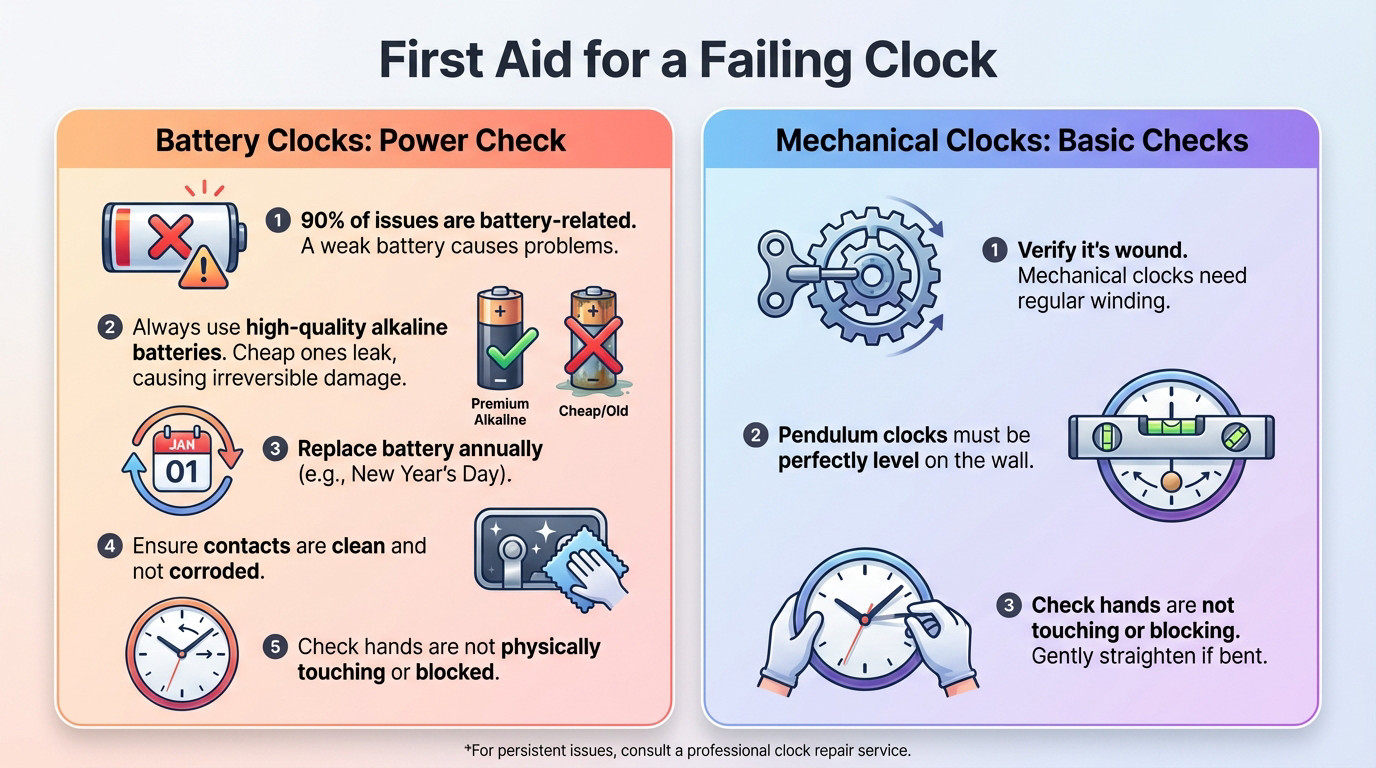
For Battery Clocks: Check the Power Source
You might think the motor died, but 90% of quartz issues stem directly from the battery. A weak cell causes erratic timekeeping long before it stops working completely. Don't blame the mechanism yet.
Never buy cheap, low-end batteries for your timepiece. They frequently leak acid that destroys the movement, causing irreversible damage to the internals.
Make it a habit to swap the battery every single year, even if it still runs. Old batteries risk corrosion. Always check the metal contacts for any green or white buildup.
- Always use high-quality alkaline batteries from a reputable brand.
- Replace the battery annually, perhaps on a memorable date like New Year's Day.
- Check that the hands are not physically touching or blocked.
For Mechanical Clocks: The Basics Matter
First, ask the obvious question: is the clock fully wound? Basic wall clock maintenance requires consistent winding to keep it running. For pendulum models, ensure the case sits perfectly level on the wall. If it tilts, the beat fails.
Look closely at the hands to see if they are catching on each other. Sometimes they get bent and block the movement's path. You must ensure clear space between them. If they touch, the clock stops immediately.
The Art of Keeping Your Clock Looking Sharp
Your timepiece is ticking, but is it clean? Proper wall clock maintenance isn't just vanity; it prevents grime from destroying the gears. If it looks like a relic, we have a problem.

Gentle Dusting and Glass Cleaning
Dust is enemy number one. Commit to regular dusting with a soft, dry microfiber cloth. This simple habit prevents particles from invading the delicate mechanism inside.
For glass, skip aggressive chemicals. A cloth dampened with water or vinegar works wonders. Always spray the cloth, never directly on the clock, to avoid liquid seepage.
Caring for Different Materials: Wood vs. Metal
You can't treat oak like brass. Each material has specific needs, and the wrong method can easily cause permanent damage.
Wood hates extreme humidity. Be gentle to preserve that rich finish.
Metal fears oxidation, so keep it dry. The right care routine guarantees beauty and the structural longevity of the case.
- For Wood: After dusting, occasionally apply a quality furniture wax to nourish the material. Avoid silicone-based sprays.
- For Metal: Wipe with a soft, dry cloth. Use a tiny amount of polish for tough spots, but test first. The goal is to prevent rust and tarnish.
Long-Term Health: Prevention Is the Best Cure
Cleaning is good, but preventing damage before it starts is the real secret. The location you choose makes all the difference.
The Right Spot: Avoiding Environmental Damage
Proper wall clock maintenance starts with location. You must avoid direct sunlight at all costs. UV rays fade dials quickly and can eventually crack delicate wood finishes.
Humidity is another silent killer. Never hang a clock in a steamy bathroom or above a stove. Moisture invites rust on metal parts and swells wooden cases.
What Not to Do: Common Maintenance Mistakes
We often think we are helping, but we make things worse. Many "miracle" cleaning products are actually poison for delicate clockwork, ruining the internal balance.
The urge to spray a fluid like WD-40 is strong, but it is a catastrophic error. It destroys the movement.
| Clock Care: The Do's and Don'ts | |
|---|---|
| Smart Maintenance | Damaging Mistakes |
|
|
When Your Clock Needs More Than a Simple Fix
Sometimes, basic wall clock maintenance just isn't enough. You’ve dusted, you’ve aligned, but the ticking still feels off. Ignoring these signs isn't just annoying; it’s a gamble that could cost you the entire mechanism.
Red Flags That Scream 'Professional Help'
Your clock is practically begging for attention. If you hear weird groans or notice erratic movement, stop right there. These aren't quirks; they are symptoms of imminent failure.
Maybe you swapped the battery, yet it still drags behind. Or perhaps you hear grinding, which points straight to internal wear of the mechanism. Don't try to force gears back into place. That usually ends in disaster.
- The clock consistently runs fast or slow, despite new batteries or adjustments.
- You hear unusual grinding, clicking, or squeaking noises.
- The clock stops randomly for no apparent reason.
- stopped moving completely.
Finding the Right Expert for the Job
Handing over a family heirloom is scary, I get it. You need a certified "horologist," not just a weekend tinkerer. Check local reviews and demand a clear diagnosis. A real pro always provides a detailed quote before touching a single screw.
For branded pieces, go straight to the source first. Giants like Howard Miller offer online tools to locate authorized service centers near you. It’s also the safest way to purchase clock parts that actually fit.
Proper wall clock maintenance combines regular cleaning with smart prevention strategies. By using quality batteries, avoiding humidity, and recognizing when to seek professional help, you ensure your timepiece remains accurate and beautiful. Treat your clock with care, and it will serve you faithfully for years to come.
For wooden wall clocks, apply furniture wax to preserve the finish.
FAQ
How do I properly maintain a wall clock?
To keep your wall clock in top condition, dust the case and glass regularly with a soft, dry microfiber cloth to prevent debris from entering the mechanism. For quartz clocks, replace the battery annually with a high-quality alkaline brand, even if it is still running, to prevent leakage. For mechanical clocks, ensure they are hung perfectly level and have them professionally serviced every few years.
What are the most common wall clock problems?
For quartz clocks, the vast majority of issues stem from weak or dead batteries, or hands that have become bent and are physically touching each other or the glass. In mechanical clocks, common problems include the mechanism being out of beat (not ticking evenly), dried-up oil causing friction, or the clock not being level on the wall.
Is it necessary to oil a clock spring?
Yes, but it requires specific care. Mainsprings in mechanical clocks generally require a specific high-slip grease rather than standard clock oil to ensure smooth energy release. Using the wrong type of lubricant on a spring can cause it to stick and release power in jerks, which can damage the delicate gear train.
Can I use WD-40 to lubricate my clock mechanism?
No, you should absolutely never use WD-40 on a clock mechanism. While it may get the clock running temporarily, WD-40 leaves a sticky residue that attracts dust and eventually turns into a gummy substance that will seize the movement entirely. It is a solvent, not a lubricant suitable for delicate horological instruments.
What is the best lubricant to use for old clocks?
The only suitable lubricant is a high-quality synthetic clock oil specifically formulated for horology. These oils are designed to maintain their viscosity and not evaporate or gum up over years of service. Avoid general-purpose household oils, 3-in-1 oil, or automotive oils, as they are too heavy and will degrade the mechanism.
Should I oil an old clock without cleaning it first?
No, adding fresh oil to a dirty clock mechanism is a major mistake. Mixing new oil with old, dried lubricant and dust creates an abrasive paste that will grind down the pivots and gears, causing permanent damage. A clock should always be professionally disassembled and cleaned before any new lubrication is applied.
Why do old wall clocks suddenly stop working?
Old clocks typically stop because the original lubricant has dried out and thickened, creating too much friction for the gears to overcome. Other common causes include worn-out pivots that misalign the gears, or simply an accumulation of dust that clogs the movement, preventing the transfer of power.
How can I tell if my clock is overwound?
The concept of a clock being "overwound" is largely a myth; you generally cannot wind a mainspring too tightly unless the metal actually snaps. If your clock is fully wound but refuses to run, the problem is not the winding, but rather that the mechanism is dirty or worn, preventing the stored energy from being released properly.
You May Also Enjoy
-

Fix Noisy Wall Clocks with Silent Sweep Movements
Replacing a wall clock's mechanism with a silent sweep movement is the most effective fix for noisy ticking. These options ($5–$35) feature free shipping, 98%+ customer satisfaction, and easy installation. A simple swap transforms any space into a tranquil environment, eliminating disruptions without complex repairs for lasting peace.
-
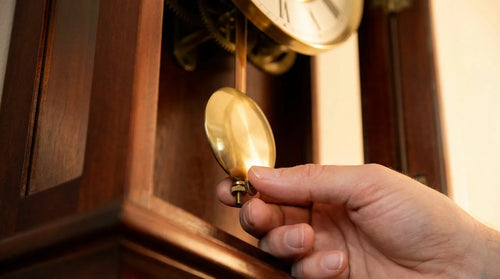
Adjusting a clock pendulum for precise timekeeping
A pendulum clock’s accuracy depends solely on its effective length, not weight. To regulate speed, simply turn the nut at the bob's base: raising the disk shortens the pendulum to make the clock run faster, while lowering it slows the rhythm down, restoring perfect timekeeping through basic physics
-

How to not over wind a table clock safely ?
The concept of "overwinding" is a myth, as mainsprings are mechanically designed to reach a definitive physical stop. Avoiding full winding actually reduces timekeeping accuracy. Instead of fearing the key, wind until a solid resistance is felt, understanding that a stuck clock usually signals a need for maintenance rather than a broken spring
-
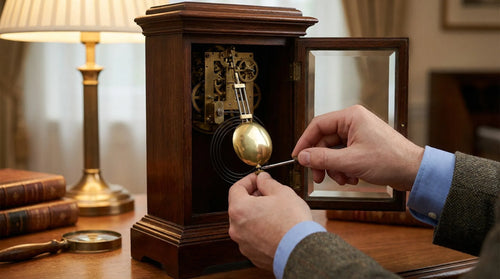
How to regulate a pendulum clock?
Pendulum accuracy relies entirely on length, meaning raising the bob accelerates the clock while lowering it slows the rhythm. Mastering the regulation nut allows for precise speed control, eliminating frustration and guesswork. Since one full turn typically alters time by one to two minutes daily, achieving perfect timekeeping demands methodical twenty-four-hour observation cycles
-
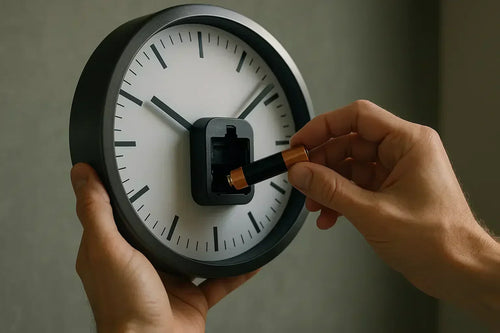
How to reset an atomic wall clock?
-

Where to hang wall clock in bedroom?
The essential takeaway: Balancing aesthetics and sleep hygiene when placing a wall clock in your bedroom is key. Choose silent mechanisms to prevent disruptions, position it on a side wall (not facing the bed) for minimal distraction, and mount at eye level (1.50m). Prioritize minimalist designs with adjustable lighting and avoid direct sunlight to protect rest quality through thoughtful placement.
-
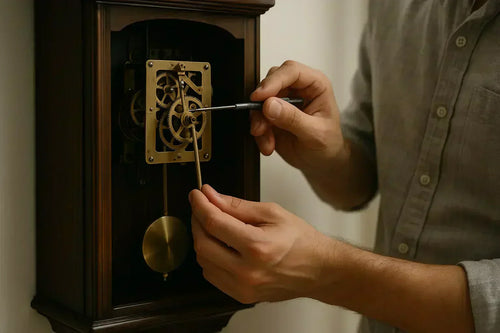
How to fix a pendulum wall clock?
How to fix a pendulum wall clock?The essential takeaway: Common pendulum clock stops often trace back to simple fixes like leveling, beat adjustment, or lubrication. Addressing these issues—such as ensuring a perfectly level clock or realigning the beat—can restore function without professional intervention, saving time and repair costs. A critical check? 80% of irregular ticking or sudden stops link to improper leveling, solvable with a spirit level and minor base adjustments.
-

How to hang clock on wall? A step-by-step guide
-
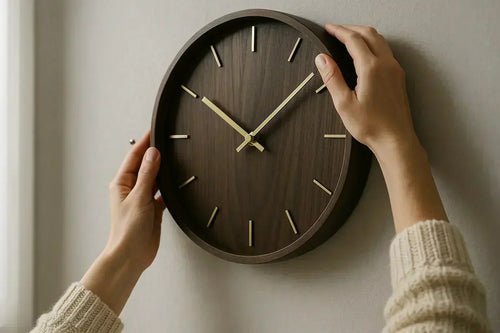
How to Mount Your Wall Clock? Secure Mounting Guide
The key takeaway: Secure wall clocks by matching hardware to weight and wall type. Using expansion anchors for medium-weight clocks (5-20 lbs) on drywall prevents accidents, while studs or masonry anchors offer stability for heavier pieces. Prioritizing this ensures lasting safety and decor harmony without guesswork.
-
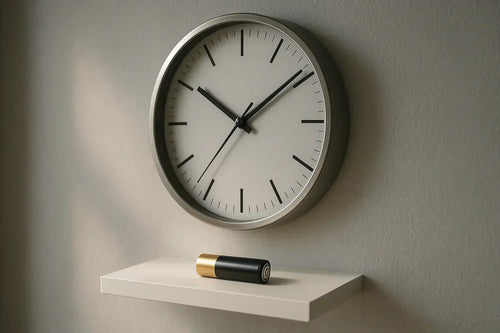
Can wall clocks use alkaline batteries? Definitive answer
Wall clocks function best with alkaline AA or AAA batteries, which maintain stable voltage for precise timekeeping. Trusted brands like Duracell ensure reliability, and replacing them annually prevents corrosive leaks that damage the mechanism. This simple habit guarantees years of accurate operation without costly repairs.
-
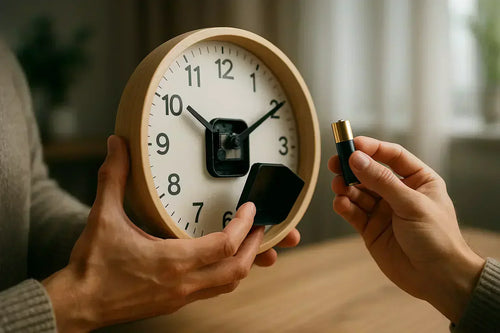
What Happens When Clocks Stop ticking?
-
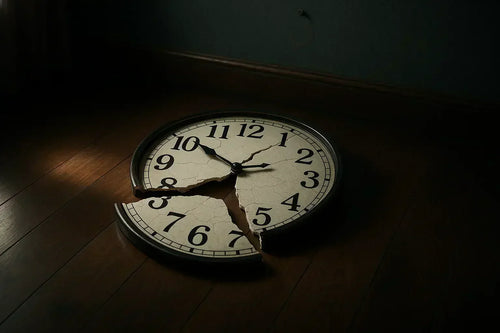
Clock Falls Off Wall: What Happens?
A falling clock isn’t random, it symbolizes life transitions, urging introspection. Whether seen as a divine nudge or a psychological prompt, it challenges you to embrace change and act on neglected priorities. Notably, in a viral math puzzle, broken clock pieces sum to 26 each, mirroring the balance needed in life’s disruptions.
-
Wall Clock Facing South: Possible?
-
How to set Digital wall clock?
-

How To Fix A Wall Clock?