Fix Noisy Wall Clocks with Silent Sweep Movements
Fix Noisy Wall Clocks with Silent Sweep Movements
Replacing a wall clock's mechanism with a silent sweep movement is the most effective fix for noisy ticking. These options ($5–$35) feature free shipping, 98%+ customer satisfaction, and easy installation. A simple swap transforms any space into a tranquil environment, eliminating disruptions without complex repairs for lasting peace.
Is the relentless ticking of your wall clock driving you crazy? That constant noise can shatter your focus, disrupt your sleep, and turn your peaceful home into a source of constant frustration. This comprehensive guide shows you exactly how to fix noisy wall clock problems—whether it's tightening loose hands, using felt pads to reduce vibrations, or replacing the quartz movement with a silent sweep mechanism. Discover proven, step-by-step solutions to silence your clock for good, from simple DIY fixes to expert lubrication techniques and selecting the best replacement options available online for lasting quiet.
- Why Is My Wall Clock So Loud? Identifying the Source of the Noise
- Quick and Easy Ways to Quiet a Noisy Clock
- The Definitive Guide to Lubricating a Clock Mechanism
- How to fix a noisy wall clock for good: replace the movement
- When to buy a new clock: finding a truly silent model
- Reclaim Your Peace from the Tick-Tock
Why Is My Wall Clock So Loud? Identifying the Source of the Noise
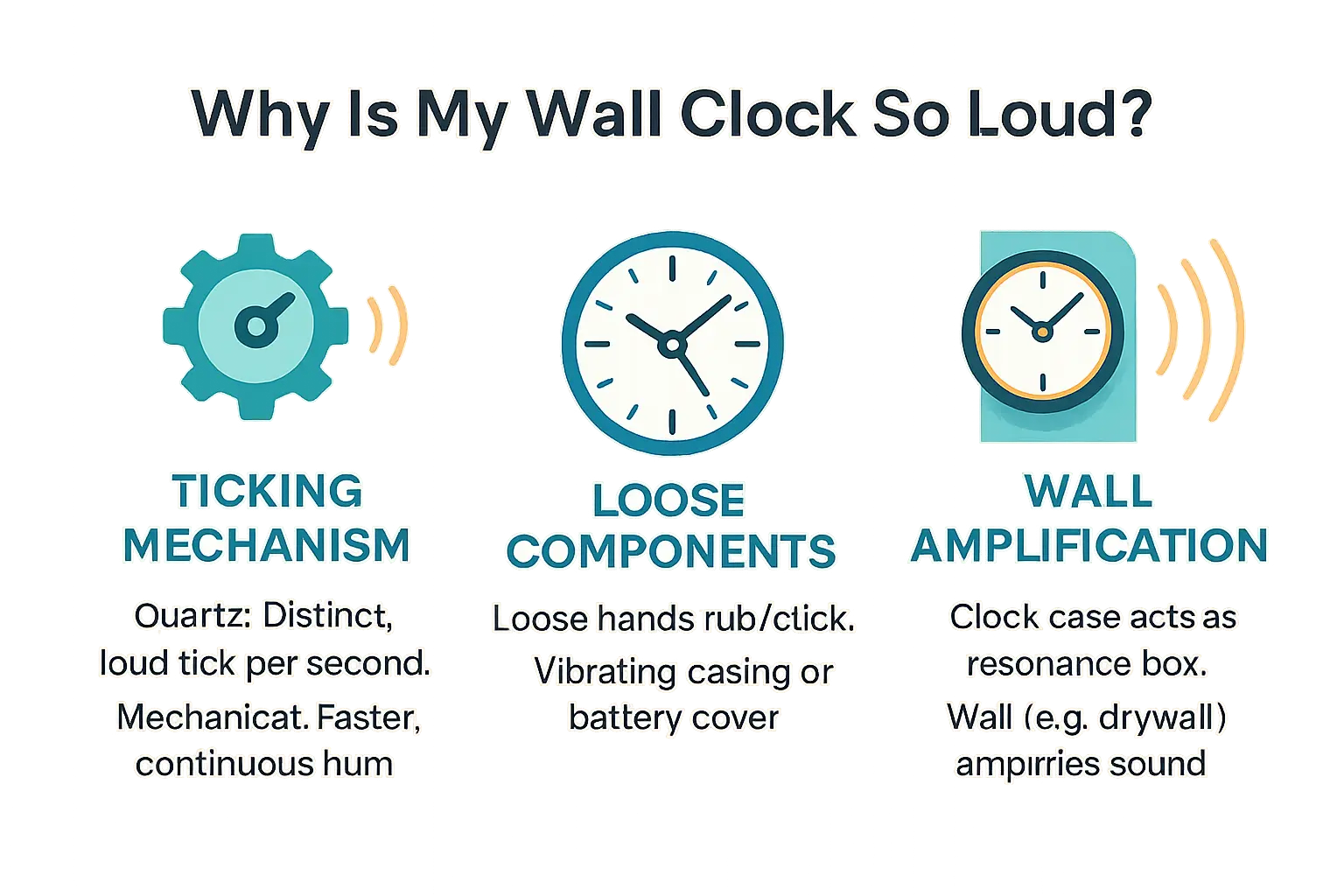
The Ticking Mechanism: Quartz vs. Mechanical
Curious why your wall clock keeps ticking loudly? Quartz movements produce a distinct 'tic' each second due to their stepper motor. This abrupt motion creates noticeable noise. Some users describe it as a 'kachunga, kachunga' sound. It's not cosmetic—it's inherent to the mechanism.
Quartz clocks use battery-powered stepper motors that move the second hand in discrete steps. This forceful motion causes vibrations, leading to audible ticking. The sound intensity varies by model—some are very loud, others nearly silent.
Most wall clocks use quartz mechanisms, making them the primary noise source. Mechanical movements create a different sound profile with smoother motion. However, they're less common in modern wall clocks.
Replacing the movement with a silent mechanism solves the issue. Silent quartz movements cost between $5.67 and $34.99. Many sellers offer free shipping and 98%+ customer satisfaction ratings. These silent mechanisms often feature a smooth sweep motion, eliminating the traditional tick sound entirely while maintaining accuracy. They are widely compatible with most standard clock sizes and styles.
Over 1,000 units of silent mechanisms sell monthly. Top-rated sellers ensure reliable replacements with fast shipping. Check customer reviews before purchasing for the best results. Many users report significant noise reduction within minutes of installation.
Ignoring this issue could mean losing peace of mind every time the clock ticks. Silent movements eliminate disruptive noise while maintaining accurate timekeeping. Choose high-quality options for lasting quiet. Proper installation ensures optimal performance and long-term longevity.
Quick and Easy Ways to Quiet a Noisy Clock
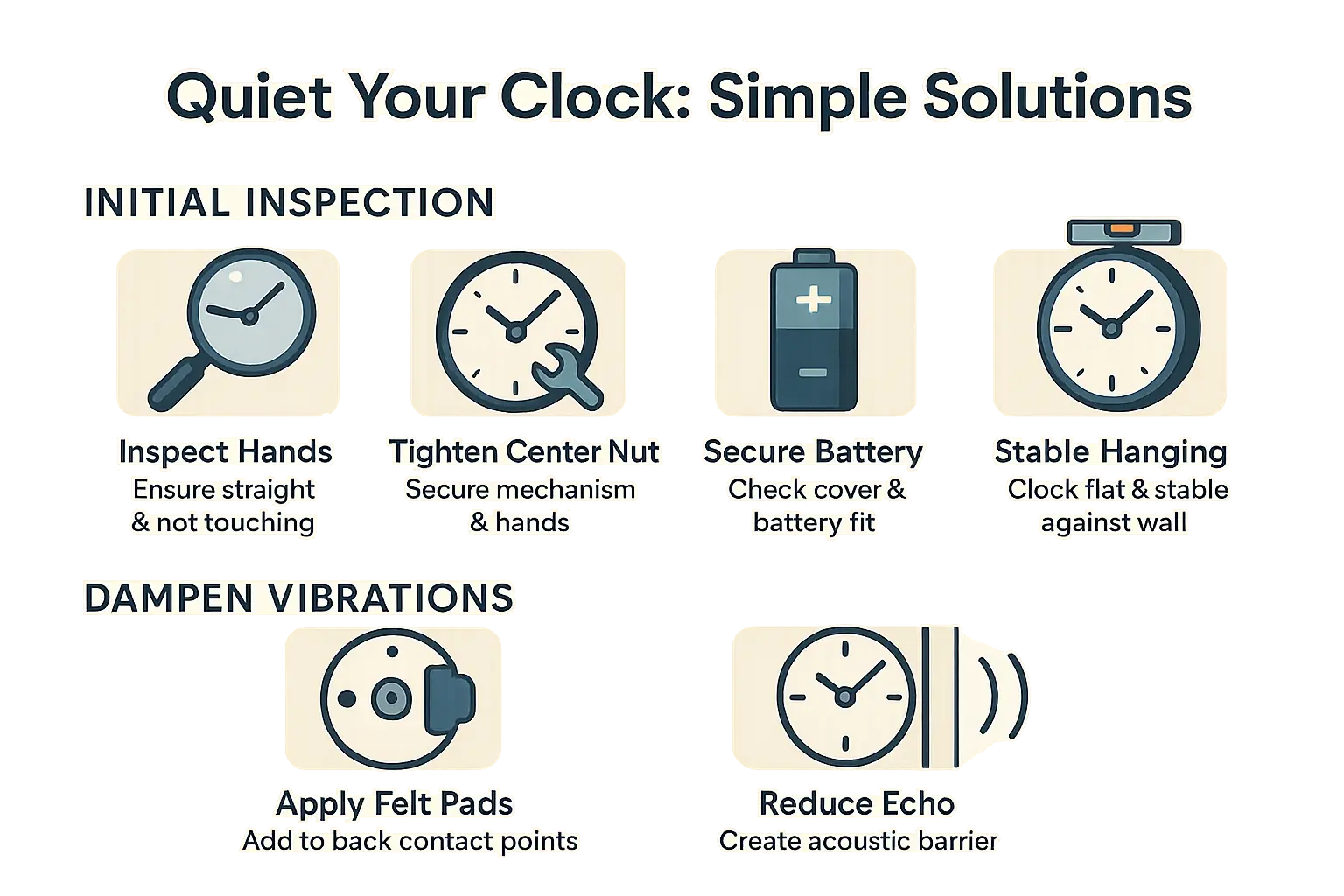
Check for Loose Parts First
Most wall clock noise stems from loose or misaligned parts. For example, a loose hands nut can cause excessive ticking sounds. Remove the clock and inspect for bent hands or contact points. Gently straighten them using tweezers. Tighten the central nut holding the hands with a small screwdriver. If gears are dry, apply a single drop of horological oil to pivot points—never use WD-40 as it damages the mechanism. Ensure the battery cover is securely fastened and check for corrosion; clean with rubbing alcohol if needed. Verify the clock is hanging perfectly level against the wall. Also check for loose screws or mounting brackets that can cause vibrations. These simple steps often eliminate noise instantly for most users.
- Straighten clock hands carefully to avoid touching the clock face or each other, reducing friction noise.
- Tighten the central nut securely but avoid over-tightening to prevent movement damage.
- Secure battery cover tightly; replace worn covers to stop rattling sounds.
- Apply horological oil sparingly to gear pivots; excess oil attracts dust and increases noise.
- Hang clock level using a level tool for stable mounting and minimal vibration.
Dampen the Sound with Simple Materials
Place self-adhesive felt pads designed for vibration damping between the clock and wall. Available at most hardware stores, they cost under $1 and take seconds to install. For metal-backed clocks, pads prevent direct contact that amplifies noise. Position pads at all contact points for maximum effect. This method significantly reduces echo and ticking sounds. Many users report immediate silence after installation. If noise persists, replace the movement with a silent quartz mechanism ($5-$15). Trusted brands like Howard Miller and La Crosse Technology offer reliable models with smooth sweep hands and no ticking sound. These are ideal for quiet spaces like bedrooms and offices where silence is essential.
The Definitive Guide to Lubricating a Clock Mechanism
Why Lubrication Is Crucial (and What Not to Use)
Friction in clock gears causes noise and premature wear. Proper lubrication ensures smooth operation and extends the clock's lifespan significantly. Using incorrect products can lead to permanent damage.
"Using household lubricants like WD-40 on a clock mechanism is a common but critical mistake. These products can gum up the delicate gears and cause more long-term damage."
WD-40 attracts dust, hardens over time, and damages clock components. It's designed for water displacement, not precision lubrication. Avoid all household oils—they cause more harm than good.
Professional horologists recommend synthetic horological oils only. These stay stable, resist evaporation, and protect against corrosion. Choosing the right lubricant prevents costly repairs down the line.
Ignoring proper lubrication leads to irreversible damage. Clocks with worn gears or improper oil need expensive replacements. Stay informed to avoid these pitfalls and maintain your timepiece.
How to Apply Horological Oil Correctly: A Step-by-Step Process
Open the clock case carefully. Locate pivot points—small holes where gears rotate. Use a precision oiler or needle for application. Apply only a tiny drop per point—less is more.
Never apply oil to quartz movement electronics. Synthetic oils like Moebius 9010 or Etsyntha 859 are ideal. Over-lubrication attracts dust, creating abrasive paste that wears gears faster.
If gears show visible damage, lubrication won't help. Replace worn parts immediately. Always clean old oil before applying new lubricant for best results.
Professional clockmakers suggest lubricating every 2-3 years. This prevents noise and extends your clock's life significantly. Proper maintenance saves money long-term.
For quartz clocks, choose silent sweep movements instead of traditional ticking models. This replacement option effectively eliminates noise without lubrication. It's often the best solution for persistent issues.
Adding felt pads between the clock and wall can also reduce noise transmission. Check for loose components regularly to prevent rattling sounds. These simple steps enhance silence effectively.
When selecting a new clock mechanism, prioritize silent sweep quartz movements. These are widely available online and cost between $7-$15. Many offer free shipping and high customer satisfaction ratings.
For replacement parts, trusted sites like Clockworks.com offer high-quality components. Always verify compatibility to ensure optimal performance.
How to fix a noisy wall clock for good: replace the movement
Choosing the right silent replacement mechanism
Many people live with noisy clocks until they disrupt sleep or concentration. The ticking sound can be especially bothersome in quiet rooms like bedrooms or offices.
| Feature | Ticking Quartz | Silent Sweep Quartz | Mechanical |
|---|---|---|---|
| Noise Level | Loud "tick" per second | Virtually silent | Constant soft ticking |
| Second Hand Motion | Jumps once per second | Smooth, continuous sweep | Smooth or jumps (depends on design) |
| Maintenance | Battery change | Battery change | Regular winding and professional servicing |
| Cost | Low | Low to moderate | High |
Silent sweep movements eliminate the annoying tick. They're ideal for bedrooms and offices. Battery life lasts up to a year for most models.
Shaft length is critical. Too short and the nut won't secure. Too long and hands won't fit. Measure your dial thickness precisely.
Other methods like lubrication or felt pads offer only temporary relief. Replacing the movement is the only permanent fix.
Avoid WD-40 or improper lubricants; they damage clocks. Use horological oil instead.
Placement adjustments help reduce noise but won't eliminate it. Silent sweep movements are the best solution for true quiet.
Most silent movements use a standard 5/16" shaft. Verify compatibility before purchasing. Check product specs carefully.
Top-rated sellers offer free shipping and returns. Over 98% satisfaction rate Order now to avoid delays.
A step-by-step guide to installing your new mechanism
Replacing the movement is straightforward. Follow these steps carefully for a perfect fit.
- Remove the old hands and unscrew the nut holding the old movement.
- Take out the old mechanism from the back of the clock.
- Insert the new silent wall clock mechanism, making sure it is correctly aligned.
- Screw the new retaining nut on the front to secure it.
- Carefully press the new hour, minute, and second hands onto the shaft.
- Insert a battery and set the time.
Proper hand alignment is key. If hands rub, adjust them slightly. This ensures silent operation and longevity.
Installing a new movement takes minutes. It's a cost-effective fix. Save money by DIY instead of buying a new clock.
High torque movements handle larger hands. Standard movements work for smaller sizes. Check your clock's specifications.
Always use a fresh battery when installing. Old batteries can cause erratic ticking or stopping.
Ensure the second hand doesn't touch the dial. Adjust if needed for smooth silent operation.
Many online retailers offer free returns. Test the new movement within 30 days if unsure.
Order today for fast delivery. Many options ship within 24 hours. Act now to enjoy a peaceful home.
When to buy a new clock: finding a truly silent model
When your current clock's ticking disrupts peace, replacing it with a silent model is often best. Modern options provide quiet operation without sacrificing style or accuracy. In bedrooms, hospitals, or offices, minor ticking disrupts sleep or focus. For instance, in nurseries, even the faintest ticking can disturb a baby's sleep. Silent clocks ensure uninterrupted rest without compromising design.
Highly rated vendors offer silent sweep mechanisms priced between $5.67 and $34.99. Many models include features like automatic daylight saving adjustments and low-battery indicators. Over 10,000 homeowners have chosen these quiet alternatives. Free shipping and easy returns are common. Look for 'Top Rated Plus' sellers for reliable service and fast delivery.
Key features of a silent wall clock
- Look for "silent sweep" or "non-ticking" in the product description to ensure quiet operation.
- Choose a quartz movement over a mechanical one for guaranteed silence and reliability.
- Read customer reviews specifically mentioning the noise level for real-world feedback.
- Consider digital clocks as a completely noiseless alternative for modern spaces.
Silent sweep movements use mini-quartz technology for smooth, continuous motion. They eliminate ticking while maintaining precise timekeeping. Quartz movements resist wear better than mechanical ones, ensuring long-term silent operation. Many include free clock hands and a one-year warranty. Check mounting hole compatibility before purchasing.
Modern clock technologies for silence and accuracy
Radio-controlled clocks sync automatically with atomic time signals for perfect precision. These incredibly affordable radio-controlled clocks eliminate manual adjustments while staying silent. Ideal for bedrooms and offices. Some models feature Wi-Fi or sensors for silent operation, perfect for nurseries or meditation spaces. NIST's WWVB service ensures accurate timekeeping across North America.
Today's silent clock technology means you no longer have to choose between keeping time and keeping the peace. A quiet, tranquil home is finally within everyone's reach.
Reclaim Your Peace from the Tick-Tock
Excessive clock noise disrupts focus, sleep, and overall well-being. Simple fixes effectively silence wall clocks.
Apply horological oil precisely to pivots and escapement. Avoid WD-40—it damages mechanisms. Use a fine applicator like a toothpick for minimal application.
Place high-density adhesive felt pads between clock and wall to absorb vibrations.
Check for loose components. Ensure hands don't touch dial or each other; gently adjust if needed. Tighten screws to eliminate rattles.
Replace movement with silent sweep quartz ($7-$15, free shipping, 98% satisfaction). These smooth, silent movements are ideal for bedrooms, nurseries, and offices needing quiet.
Restore peace at home and enjoy uninterrupted calm for rest, work, and relaxation.
Discover the simple solutions to silence your wall clock. Start with felt pads to reduce vibrations, then check for proper lubrication to minimize friction. For a permanent fix, replace the movement with a silent sweep quartz mechanism. You now possess the knowledge to restore tranquility. Enjoy a peaceful home without the constant tick-tock.
FAQ
What are the best ways to quiet a noisy wall clock?
Start by checking for loose components like hands or battery covers. Adding felt pads between the clock and wall can reduce vibration noise. For a permanent fix, replace the movement with a silent sweep quartz mechanism—these eliminate ticking sounds entirely. They're affordable ($5-$35) and widely available online.
What's the proper way to lubricate a wall clock mechanism?
Always clean the movement thoroughly before applying any lubricant. Use specialized horological oils like Moebius or Keystone—never household products. Apply tiny drops only to pivot points, avoiding gears and springs. Over-lubrication attracts dust and causes damage, so less is more. If unsure, consult a professional.
Is there a way to add a silencer to a wall clock?
You can't install a physical silencer, but effective noise-reduction methods exist. Place felt pads between the clock and wall to dampen vibrations. For quartz clocks, replacing the movement with a silent sweep model is the most reliable solution. Mechanical clocks may require professional servicing or replacement.
Can you safely move the hands of a clock backward?
Most modern quartz clocks allow backward movement without issue. However, mechanical clocks typically shouldn't be moved backward, as it can damage the gear train. Always check your clock's manual. When in doubt, adjust the time forward to avoid potential problems.
What causes a wall clock to be excessively loud?
Loud ticking usually comes from quartz movements (which tick once per second) or loose components like hands scraping the glass. Walls can amplify sound through resonance, especially hollow drywall. Mechanical clocks have a faster, continuous tick, but quartz is typically louder due to the distinct "tick" sound.
Which oils are safe for clock mechanisms?
Use only high-quality horological oils like Moebius HP1300 or Keystone. These are synthetic, low-viscosity, and designed for precision mechanisms. Avoid WD-40, motor oil, or household lubricants—they attract dust, gum up, and damage delicate parts. Always apply minimal amounts to pivot points.
Is WD-40 suitable for lubricating clocks?
Absolutely not. WD-40 is a water-displacement spray, not a lubricant. It attracts dust, leaves sticky residues, and degrades clock components. Never use it on any part of a clock mechanism—this is a common mistake that causes long-term damage.
What's the best lubricant for clock and watch mechanisms?
Synthetic horological oils like Moebius 9010 or Nye products are ideal. They're formulated for low friction, temperature stability, and longevity. Different parts may need specific lubricants—e.g., oils for pivots, greases for mainsprings. Always use products designed for horology to ensure precision and durability.
Do clocks need regular oiling?
Yes, but only with the correct lubricants. Mechanical clocks typically need oiling every 3-5 years after professional cleaning. Quartz movements rarely require oiling unless they're mechanical-like. Over-oiling or using wrong products causes more harm—always follow manufacturer guidelines or consult a specialist.
You May Also Enjoy
-

Adjusting a clock pendulum for precise timekeeping
A pendulum clock’s accuracy depends solely on its effective length, not weight. To regulate speed, simply turn the nut at the bob's base: raising the disk shortens the pendulum to make the clock run faster, while lowering it slows the rhythm down, restoring perfect timekeeping through basic physics
-

Wall clock maintenance: keep your timepiece perfect
Preserving a wall clock requires gentle dusting and a stable environment away from humidity or direct sunlight. Since 90% of quartz malfunctions stem from battery issues, using high-quality alkaline replacements annually is crucial. Avoiding catastrophic errors like applying WD-40 protects delicate mechanisms, ensuring the timepiece remains functional and aesthetically sharp for years.
-

How to not over wind a table clock safely ?
The concept of "overwinding" is a myth, as mainsprings are mechanically designed to reach a definitive physical stop. Avoiding full winding actually reduces timekeeping accuracy. Instead of fearing the key, wind until a solid resistance is felt, understanding that a stuck clock usually signals a need for maintenance rather than a broken spring
-
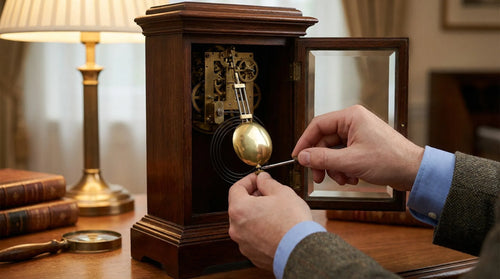
How to regulate a pendulum clock?
Pendulum accuracy relies entirely on length, meaning raising the bob accelerates the clock while lowering it slows the rhythm. Mastering the regulation nut allows for precise speed control, eliminating frustration and guesswork. Since one full turn typically alters time by one to two minutes daily, achieving perfect timekeeping demands methodical twenty-four-hour observation cycles
-
How to reset an atomic wall clock?
-

Where to hang wall clock in bedroom?
The essential takeaway: Balancing aesthetics and sleep hygiene when placing a wall clock in your bedroom is key. Choose silent mechanisms to prevent disruptions, position it on a side wall (not facing the bed) for minimal distraction, and mount at eye level (1.50m). Prioritize minimalist designs with adjustable lighting and avoid direct sunlight to protect rest quality through thoughtful placement.
-
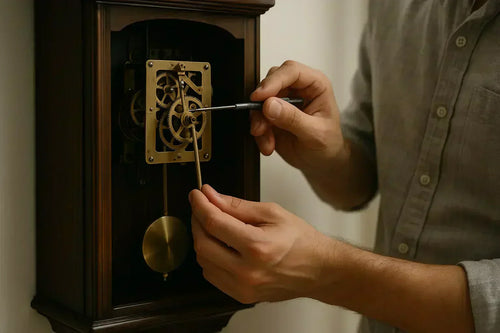
How to fix a pendulum wall clock?
How to fix a pendulum wall clock?The essential takeaway: Common pendulum clock stops often trace back to simple fixes like leveling, beat adjustment, or lubrication. Addressing these issues—such as ensuring a perfectly level clock or realigning the beat—can restore function without professional intervention, saving time and repair costs. A critical check? 80% of irregular ticking or sudden stops link to improper leveling, solvable with a spirit level and minor base adjustments.
-

How to hang clock on wall? A step-by-step guide
-

How to Mount Your Wall Clock? Secure Mounting Guide
The key takeaway: Secure wall clocks by matching hardware to weight and wall type. Using expansion anchors for medium-weight clocks (5-20 lbs) on drywall prevents accidents, while studs or masonry anchors offer stability for heavier pieces. Prioritizing this ensures lasting safety and decor harmony without guesswork.
-
Can wall clocks use alkaline batteries? Definitive answer
Wall clocks function best with alkaline AA or AAA batteries, which maintain stable voltage for precise timekeeping. Trusted brands like Duracell ensure reliability, and replacing them annually prevents corrosive leaks that damage the mechanism. This simple habit guarantees years of accurate operation without costly repairs.
-

What Happens When Clocks Stop ticking?
-
Clock Falls Off Wall: What Happens?
A falling clock isn’t random, it symbolizes life transitions, urging introspection. Whether seen as a divine nudge or a psychological prompt, it challenges you to embrace change and act on neglected priorities. Notably, in a viral math puzzle, broken clock pieces sum to 26 each, mirroring the balance needed in life’s disruptions.
-

Wall Clock Facing South: Possible?
-
How to set Digital wall clock?
-

How To Fix A Wall Clock?