Minimalist wall clock: the beauty of less is more
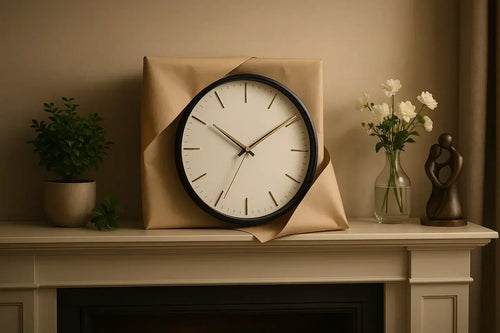
Minimalist wall clocks, exemplified by Muji and Arne Jacobsen designs, prioritize clarity and clean lines to merge utility with decor. This approach transforms a simple time-telling tool into functional wall art that reduces visual noise, creating a calmer and more mindful interior environment.
Does the constant visual noise in your home prevent you from truly relaxing? Minimalist wall clocks solve this by eliminating unnecessary details, offering a silent and sleek alternative that prioritizes clarity. From the industrial precision of Muji to the organic warmth of Scandinavian classics, learn how these refined objects bring a sense of order to your daily life.
- Defining the Essence of Minimalist Wall Clocks
- Notable Designs and Material Innovation
- Integration Guide: Choosing the Perfect Clock
- Minimalism as Functional Wall Art
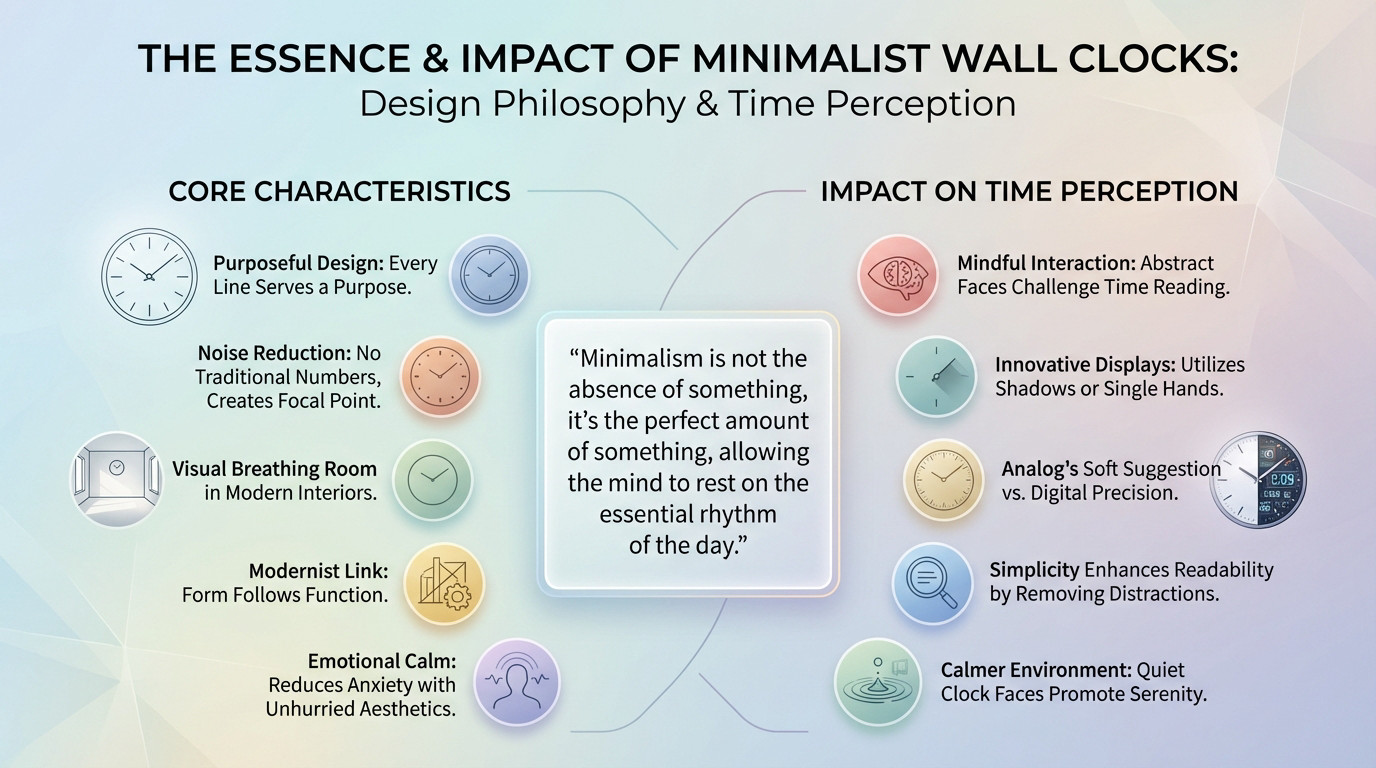
Defining the Essence of Minimalist Wall Clocks
You see, our living spaces reflect our mindset. We must move away from cluttered decor to the deliberate choice of a minimalist timepiece.
Core Characteristics and the "Less is More" Philosophy
The mantra is simple: every line must serve a purpose. By stripping away the noise of traditional numbers, you create a striking focal point. This approach, seen in Less Is More: The Beauty of Minimalist Wall Clocks (Muji, Scandinavian & Beyond), offers vital visual breathing room.
Modernism birthed this aesthetic. It is not just style; it is the belief that form follows function. No excess, just pure utility wrapped in clean lines.
A simple clock reduces the anxiety of passing time. Its clean, unhurried aesthetics let you breathe easier.
The Impact of Design on Time Perception
Abstract faces force us to rethink how we read the hour. Some designs rely on shadows or single hands, demanding a more mindful, deliberate interaction with the present moment.
High-precision digital displays often induce stress. In contrast, the soft suggestion of time in analog models actually improves readability by removing distractions.
"Minimalism is not the absence of something, it's the perfect amount of something, allowing the mind to rest on the essential rhythm of the day."
A quiet clock face promotes a significantly calmer environment. It just works.
Notable Designs and Material Innovation
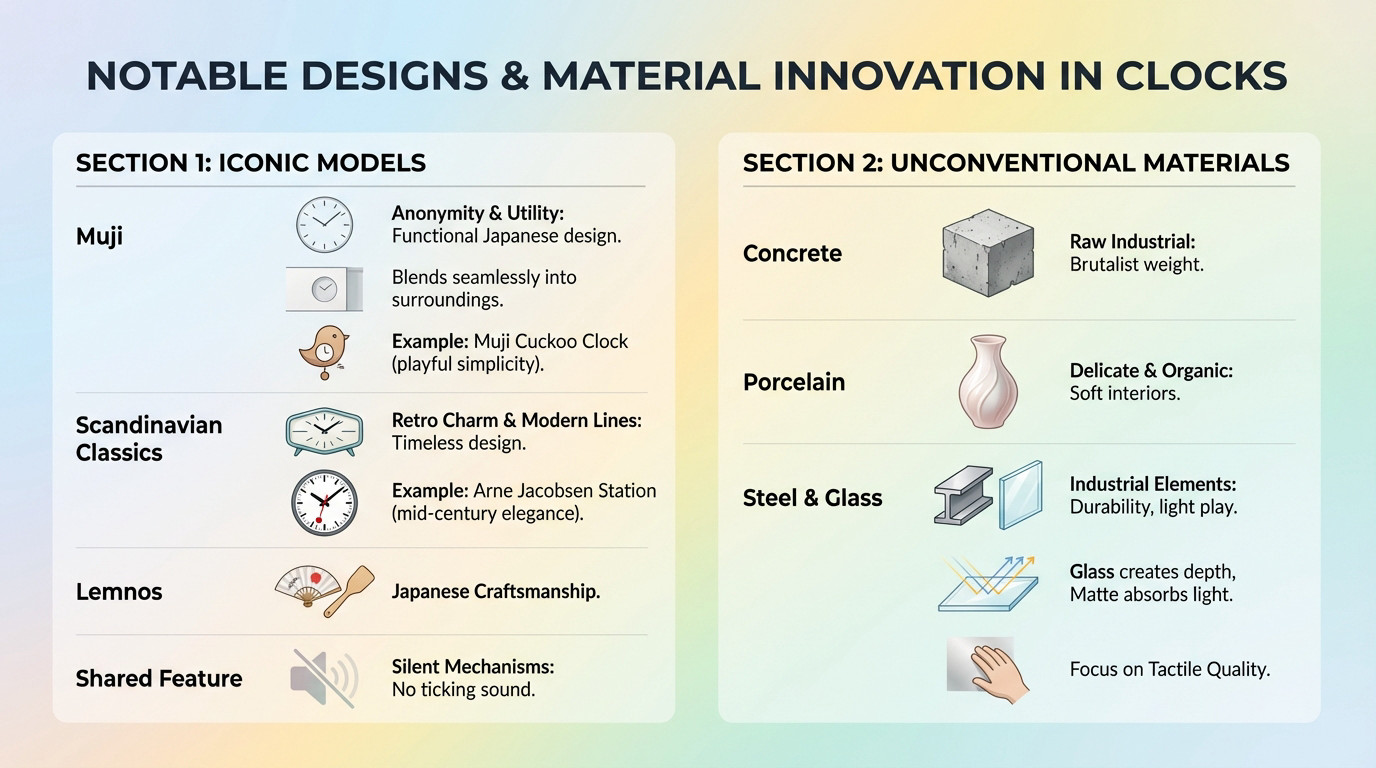
Iconic Models: From Muji to Scandinavian Classics
Muji’s Station Clock thrives on total anonymity. It vanishes into the wall, proving that Less Is More: The Beauty of Minimalist Wall Clocks is real. This represents the peak of functional Japanese design.
Then you have the heavyweights like Arne Jacobsen. His work balances retro charm with sharp, modern lines. Experts often cite this timeless Scandinavian design as the gold standard. It creates an immediate visual anchor.
Here are the specific models that define this entire genre. They illustrate exactly why collectors obsess over these details.
- Muji Cuckoo Clock for playful simplicity.
- Arne Jacobsen Station for mid-century elegance.
- Lemnos clocks for Japanese craftsmanship.
These brands prioritize silent mechanisms. Nobody wants a ticking sound in a quiet room.
Unconventional Materials: Concrete, Porcelain, and Glass
Designers are currently exploring raw industrial materials. Concrete adds a heavy, brutalist weight to a room. Conversely, porcelain offers a delicate, organic alternative for softer interiors.
We also see the integration of industrial elements like steel and glass. This mirrors the use of industrial materials like concrete and steel in modern architecture. It shifts the focus to texture.
These choices affect durability and light reflection. A matte finish absorbs light, while glass creates depth. It is about the tactile quality of time.
Integration Guide: Choosing the Perfect Clock
Picking the right piece isn't just about the look; it's about how it fits into your daily life and your specific walls.
Practical Considerations: Size, Silence, and Placement
Size matters more than you think. A tiny clock on a massive wall looks lost. A huge one in a small kitchen feels oppressive. Mastering Less Is More with Minimalist Wall Clocks means finding that perfect balance.
Focus on the "sweep" mechanism. Silent hands are non-negotiable for bedrooms or offices.
A clock should be seen and not heard, especially when you are trying to find your flow in a creative workspace.
Advise on placement height. Eye level—typically 1.55 to 1.60 meters—is standard, but higher placements work for large statement pieces. Consider the light sources to avoid glare on the face.
Comparing Styles: Monochrome vs. Subtle Accents
Black and white are the safe bets. They offer the highest contrast and the most "minimalist" feel.
| Style | Best For | Visual Impact | Recommended Material |
|---|---|---|---|
| Monochrome Black | Light Walls | High contrast | Polystyrene (PS) |
| All-White | Dark Walls | Subtle blending | Glass & Resin |
| Natural Wood | Living Areas | Warmth | Oak or Ash |
| Metallic Accents | Offices | Modern luxury | Stainless Steel |
Don't fear a tiny pop of color. A single red hand can break the monotony beautifully.
Final tip on matching textures. If your furniture is oak, a wooden clock face creates a cohesive story.
Minimalism as Functional Wall Art
Ultimately, these clocks are more than tools; they are the final brushstroke on your interior design canvas.
Elevating Your Space with Subtle Presence
Think of the clock as a sculpture. It occupies space without demanding attention. This is the true power of minimalist art in a home.
These pieces bridge the gap between utility and decor. They solve the "empty wall" problem without adding clutter. By selecting clocks defined by simplicity and quality materials, you embrace the ethos of Less Is More: The Beauty of Minimalist Wall Clocks (Muji, Scandinavian & Beyond).
Invest in quality. A well-made minimalist clock lasts a lifetime. It outlives trends by staying true to basic geometric beauty.
Minimalist wall clocks, from Muji’s clean lines to Arne Jacobsen’s architectural classics, merge utility with discreet decoration. These timepieces prioritize clarity and functional design, transforming a simple tool into timeless wall art. Whether choosing digital precision or analog elegance, they offer a sober aesthetic that enhances any interior.
FAQ
What are the dimensions and power requirements for the Muji Station Clock?
The Muji Station Clock is designed with versatility in mind, available in different sizes. The compact Station Alarm Clock measures approximately 4.9 x 3.5 x 1.6 inches and comes with the necessary AA battery. The larger wall-mounted version measures approximately 12.4 x 8.8 inches and also requires one AA battery, though it is typically sold separately. Both models feature a polystyrene case and a glass face for clear readability.
What sizes are available for the Arne Jacobsen Bankers Wall Clock?
The iconic Bankers Wall Clock by Arne Jacobsen comes in a variety of diameters to suit different interior scales. Common sizes explicitly mentioned include a compact 12 cm (approx. 4.7 inches) version and a standard 29 cm (approx. 11.4 inches) model. There are also references to a "Medium" size around 8.3 inches, as well as larger statement pieces up to 48 cm.
What materials are used in Arne Jacobsen table and wall clocks?
True to the industrial innovation of their time, these clocks often utilize specific synthetic materials. The Arne Jacobsen Station table clock, for example, features a case made of plastic—a material considered novel during its original design era—paired with shatterproof curved glass. While the design is timeless, potential buyers should note that the casing is primarily plastic.
When was the Arne Jacobsen Bankers clock design created?
The Bankers Wall Clock is a piece of Danish design history. Arne Jacobsen originally created this specific design for the National Bank of Denmark in 1971. It remains a celebrated example of his minimalist and architectural approach to functional objects.
Do minimalist clocks like the Arne Jacobsen models require specific batteries?
Yes, the battery requirements depend on the specific model and size you choose. For the Arne Jacobsen Bankers series, the 29 cm wall clock operates on a standard 1.5V AA battery, while the smaller 12 cm version requires a specific LR1 (Size N) battery. The table clock models generally require two AA batteries to power the movement and additional features like the light sensor.
You May Also Enjoy
-
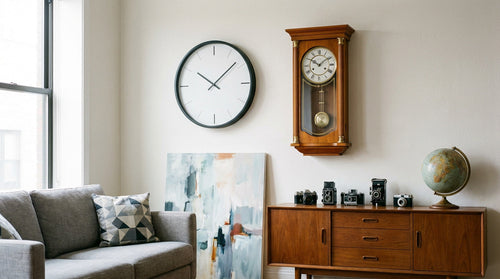
Modern vs vintage wall clocks: finding your perfect match
The choice between modern and vintage clocks fundamentally alters a space's character. Modern designs deliver silent precision and minimalist aesthetics, while vintage models add historic warmth through patina and mechanical ticking. The decision ultimately rests on prioritizing sleek, maintenance-free functionality or the soulful, rhythmic presence of traditional craftsmanship.
-
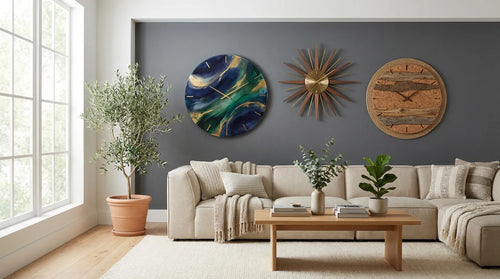
Wall clock trends 2026: the new statement pieces
In 2026, wall clocks evolve from mere tools into oversized, artistic statement pieces that anchor a room's design. Dominated by Mid-Century Modern and Sophisticated Minimalist aesthetics, this trend emphasizes sustainable materials like natural wood and brushed metal, marking a definitive shift toward functional sculpture over simple timekeeping.
-
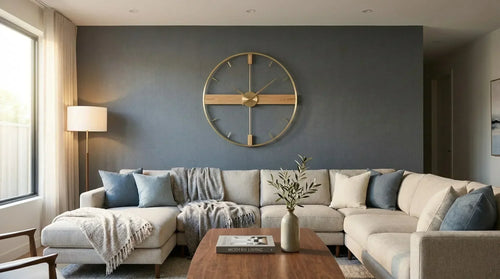
Choosing a wall clock for your living room: 2026 edition
A living room clock serves as a major focal point, so selecting a scale that fills roughly two-thirds of the wall space is crucial for visual balance. Beyond aesthetics, prioritizing a silent quartz mechanism ensures the room remains a peaceful sanctuary, perfectly blending bold design with practical function.
-
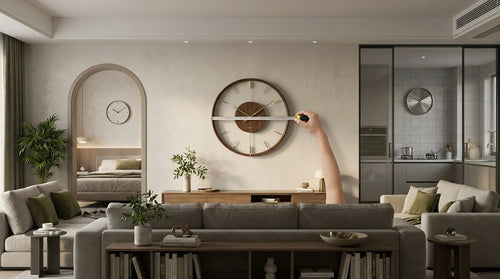
Wall clock size: choose the perfect fit for every room
Choosing the right wall clock depends on proportion rather than standard sizing, with the ideal diameter covering roughly two-thirds of the available wall or furniture width. This balance prevents the piece from overwhelming the room while ensuring readability. For maximum visual harmony, the center of the clock should align with eye level, approximately 1.60 meters from the floor.
-
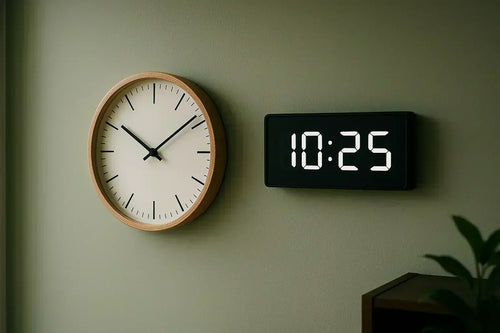
Is a wall clock analog or digital?
Looking to choose between analog and digital wall clocks? The essential takeaway: Analog clocks offer timeless design and educational value, while digital clocks provide instant readability and advanced features like temperature display. Hybrid models merge both, offering precise timekeeping with aesthetic versatility. Both can achieve atomic-level accuracy, ensuring your space balances style, functionality, and precision.
-
Which wall clock is good as per vastu?
-
Why a wall clock is the perfect gift for any occasion
A well-chosen wall clock transcends mere functionality, becoming a meaningful gift that blends aesthetics with practicality. It enhances home decor while serving as a daily reminder of connection. Perfect for housewarmings, weddings, or anniversaries, personalized touches transform it into a cherished symbol of shared moments and thoughtful gestures.