Elevate your home decor : Choosing the Perfect Wall Clock for Every Room
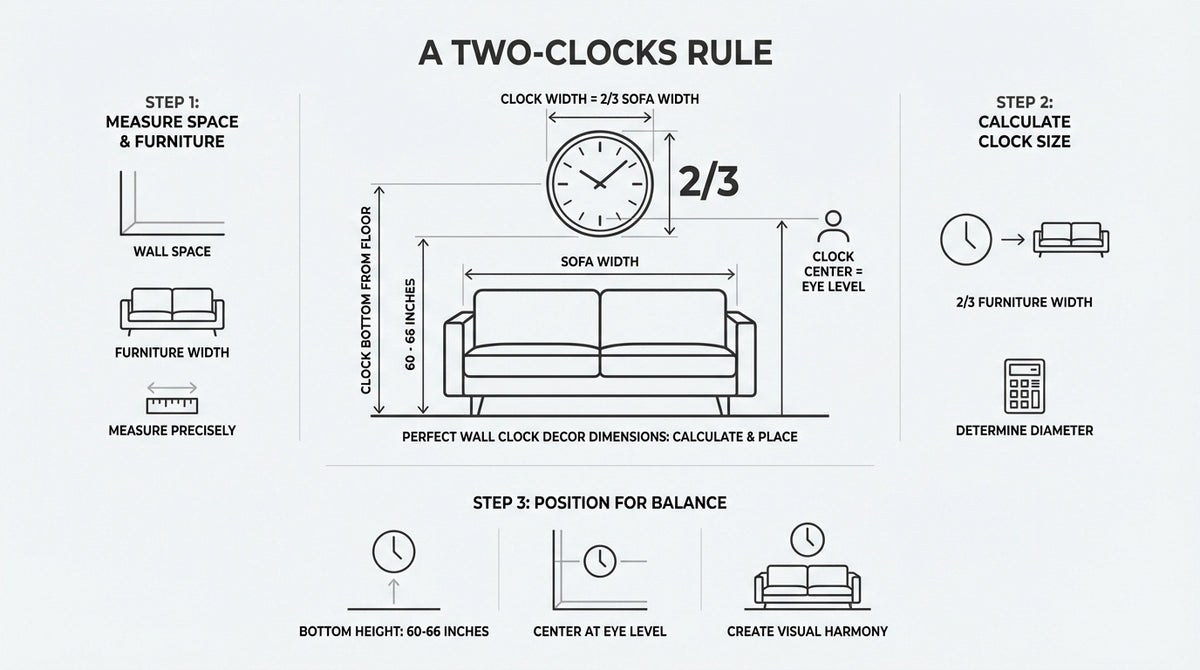
The Essential to remember : Perfect wall clock decor and placement relies on the two-thirds rule, where the diameter spans 60-70% of the furniture's width. This mathematical harmony ensures visual balance, preventing the piece from looking insignificant. Aim for eye-level mounting between 57 and 60 inches from the floor to maximize readability and create a professional, intentional interior design aesthetic.
Does your wall clock look like a tiny, misplaced dot or an aggressive focal point that overwhelms your furniture? Choosing the perfect wall clock requires balancing visual weight and the two-thirds rule to ensure your timepiece anchors the room's architecture. This guide reveals how to harmonize materials like weathered wood or industrial metal with your existing decor.
- Calculating the Perfect Wall Clock Decor Dimensions
- Modern Minimalist Clocks for Clean Interiors
- Rustic Farmhouse Styles for a Warm Atmosphere
- Industrial Metal Designs with Visible Gears
- Vintage and Retro Timepieces for Nostalgic Charm
- High-Tech Digital Clocks with LED Features
- Strategic Placement and Wall Mounting Guide
- Maintenance Masterclass for Long-Lasting Timepieces
Our decorative wall clocks collection gathers the pieces this guide draws from.
Calculating the Perfect Wall Clock Decor Dimensions
Choosing a timepiece is about more than just tracking minutes; it is about spatial harmony. To truly Elevate your home decor: Choosing the Perfect Wall Clock for Every Room, you must treat the clock as a mathematical anchor for your furniture.

The furniture to clock ratio rule
Size matters when balancing your wall. Your clock diameter should ideally span about 60-70% of the furniture's width below it. This specific ratio prevents your decorative piece from looking like a tiny, insignificant dot in the room.
Breathing room is equally vital for aesthetics. Leave at least six inches of open wall space on either side. Crowding the edges of a wall segment creates a cramped, cluttered feeling that ruins the design flow.
But watch out for the opposite extreme. A massive clock on a small wall segment feels aggressive and overwhelming. True balance is about respecting the existing architectural boundaries and the scale of your living space.
Measuring vertical clearance on narrow walls
Finding the eye-level sweet spot is vital for daily use. Usually, the center of the clock should sit 57 to 60 inches from the floor. It ensures the time is readable without straining your neck or back.
Your relationship with ceilings dictates the final height. If you have high ceilings, you can safely go slightly higher. However, never let the clock frame touch the crown molding or the ceiling line itself.
People often hang clocks too high in narrow entryways or hallways. This common mistake makes the space feel even smaller and more tunnel-like. Keep the piece grounded and accessible to the eye for a better feel.
- Standard eye-level height (57-60 inches)
- Minimum clearance from furniture (4-6 inches)
- Distance from ceiling (at least 12 inches for high walls)
Visual weight versus actual physical dimensions
Wire frames feel much lighter than solid wood. A 30-inch wire clock might actually look smaller than a 20-inch solid oak piece. Always consider the "density" of the design before driving a nail into the wall.
Acrylic faces create a clever illusion of space. They allow the wall color to bleed through the clock. This is perfect for minimalist rooms where you want to reduce visual noise while keeping functionality.
Side-profile visibility matters for deep-set frames in tight spots. If a clock sticks out four inches, it might block sightlines in a narrow corridor. Always check the depth of the frame, not just the outer diameter.
Avoiding the lost on the wall effect
There are clear signs of a misplaced timepiece. If the wall dwarfs the clock, the entire room feels unfinished. It looks like a random afterthought rather than a deliberate, professional design choice for your home.
Small clocks can work if you use grouping techniques. Use empty frames or small prints to flank an undersized piece. This builds a "gallery" effect that adds necessary bulk and saves you from buying a new clock.
Our brains naturally dislike odd or mismatched proportions. A tiny clock on a huge wall creates a persistent sense of emptiness. Proper scale is the ultimate key to visual comfort in any interior design.
Modern Minimalist Clocks for Clean Interiors
Moving from the math of dimensions to the soul of style, let's look at how minimalism strips away the noise.
Scandinavian simplicity and monochromatic palettes
Light woods and matte finishes define this look. Think pale oak or soft grey. These materials bring a natural warmth without the heavy clutter of traditional designs.
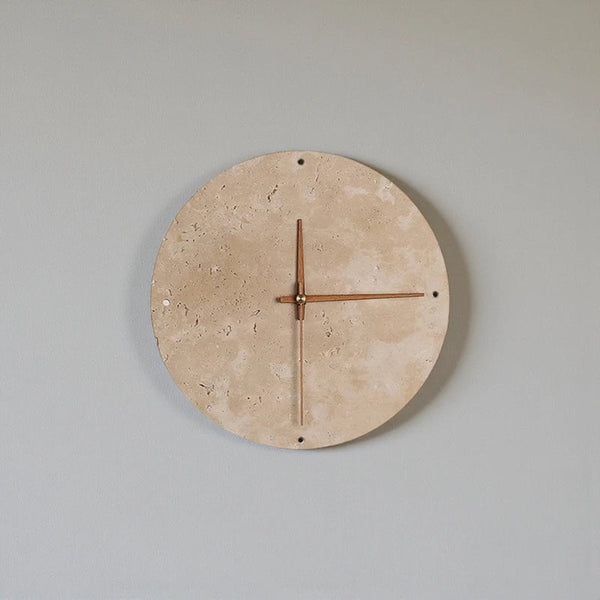
The absence of numerals is a bold move. It creates a sleek, uninterrupted surface. Modern users value the aesthetic "vibe" over precise second-to-second reading, as young consumers prioritize aesthetics and functionality. It works perfectly in neutral-toned living rooms.
These pieces blend into the wall. They don't scream for attention. Instead, they provide a quiet, functional elegance. Minimalism is about what you leave out.

Geometric shapes and architectural alignment
Hexagonal and asymmetric frames are trending now. They break the monotony of round shapes. These silhouettes act as small pieces of modern sculpture on your wall.
Match clock lines with your furniture. If you have a sharp, mid-century sofa, a geometric clock echoes those angles. It creates a cohesive visual language. Placement should emphasize these sharp, clean edges.
Use lighting to highlight the shape. A side lamp can cast interesting shadows from a 3D geometric frame. This adds depth to a flat, minimalist wall while you Elevate your home decor : Choosing the Perfect Wall Clock for Every Room.
Rustic Farmhouse Styles for a Warm Atmosphere
If minimalism is a cool breeze, farmhouse style is a warm hearth, focusing on textures that tell a story.
Weathered wood textures and Roman numerals
Reclaimed timber and distressed paint are the heart of farmhouse decor. These imperfections make each piece feel authentic. They add a layer of history to a new home. In fact, wood clocks are a major trend on the current market.
Roman numerals provide a classic anchor. They feel more timeless than standard digits. This aesthetic pairs beautifully with linen curtains or stone fireplace surrounds.
Texture is more important than color here. The grain of the wood should be visible. It invites people to look closer at the craftsmanship.
Oversized gallery pieces as focal points
Massive wooden clocks belong above fireplaces. They act as a central sun for the room. This placement draws the eye upward and anchors the entire seating area.

Balance charm with function. A huge clock must still be easy to read from across the room. Hardware finishes should match your door handles. Think oil-rubbed bronze or matte black iron.
Don't over-decorate around a focal piece. Let the large clock breathe. Too many small items nearby will detract from its rustic impact when you Elevate your home decor : Choosing the Perfect Wall Clock for Every Room.
Industrial Metal Designs with Visible Gears
From the warmth of wood, we pivot to the raw, mechanical power of industrial metal.
Raw steel and exposed mechanical movements
Moving gears offer incredible visual interest. They turn the clock into a living machine. Open faces allow you to see the complexity of time. It is a perfect match for brick walls.
Metal clocks thrive on concrete surfaces. The contrast between cold stone and raw steel is striking. Heavy-duty iron frames ensure the piece lasts for decades.

Industrial style is about honesty in materials. Don't hide the bolts or the welds. These "flaws" are actually the primary design features.
Matching hardware finishes to existing fixtures
Compare bronze with brushed nickel. Your clock should talk to your light switches. If your faucets are black, go with a black iron clock frame.
Coordination creates a professional look. It makes the clock feel integrated rather than added later. Metallic reflections can brighten darker industrial spaces. Use the clock to bounce light around the room.
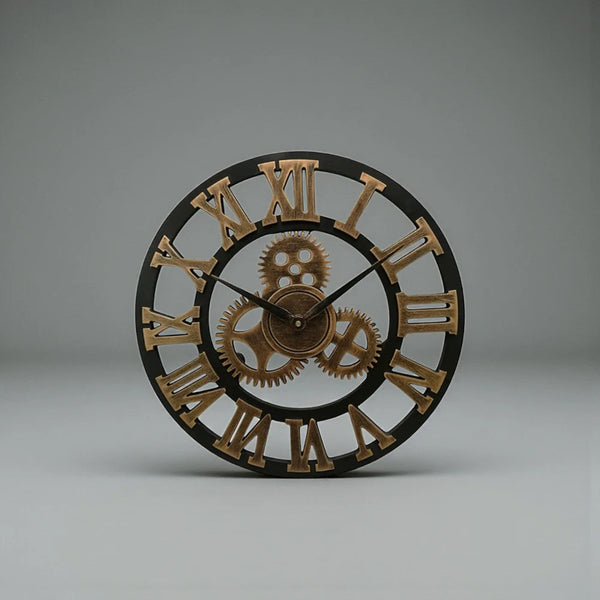
Consistency is the secret of high-end design. Even small details like the clock hands should reflect the room's metal palette. It ties the whole industrial theme together and helps to Elevate your home decor : Choosing the Perfect Wall Clock for Every Room.
Vintage and Retro Timepieces for Nostalgic Charm
Let's step back in time to an era where clocks were the colorful stars.
Mid-century modern sunburst and starburst designs
Iconic 1950s shapes are back. The sunburst design is a classic for a reason. It adds energy and a sense of optimism to any wall.
Use brass and walnut for a retro vibe. These materials were the gold standard of the era. Pair these clocks with low-profile furniture to keep sightlines focused on your wall art.

A starburst clock is a statement. It doesn't need a frame. Let its rays stretch across a plain wall for maximum drama. Elevate your home decor: Choosing the Perfect Wall Clock for Every Room starts with bold geometry.
Antique kitchen clocks and vibrant color palettes
1960s pastel clocks are trending. Mint green and baby blue add a soft pop of color that breaks up the sterility of white cabinets. Convex glass covers add a lovely vintage touch.
Chrome rims catch the light beautifully. They offer a polished look that feels nostalgic yet fresh. Use these clocks as a primary color accent to change the room's energy.
Retro designs bring personality to functional spaces. A kitchen clock should make you smile while you brew your morning coffee. It is about character, not just utility.
| Era | Key Material | Distinctive Feature | Best Room Placement |
| 1950s | Brass/Walnut | Sunburst rays | Living Room |
| 1960s | Chrome/Pastels | Convex Glass | Kitchen |
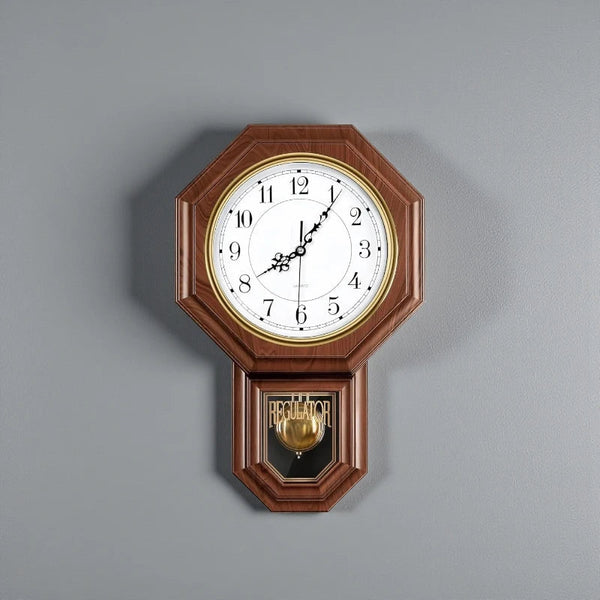
| 1970s | Dark Wood | Pendulums | Study |
High-Tech Digital Clocks with LED Features
Moving away from the ticking gears of the past, we enter a space where clocks are smart, glowing, and multi-functional. When you're trying to elevate your home decor : Choosing the Perfect Wall Clock for Every Room means looking at how tech meets style.
Illumination and smart night light sensors
Auto-dimming displays are essential for bedrooms. They prevent the clock from keeping you awake. The light adjusts based on the room's ambient brightness.
Backlit frames offer great visibility at night. You can check the time without turning on a lamp. This is a game-changer for midnight risers. Power management is key for constant LED usage.
Modern LEDs are energy efficient. They provide a crisp, clear read from any angle. Digital clocks are stylish home accessories.
Integrating temperature and humidity displays
Multi-functional displays are incredibly useful. Knowing the indoor humidity helps maintain a healthy home environment. It turns a clock into a mini weather station.
Avoid visual clutter with clean data layouts. High-tech models organize information into clear zones. This makes the screen easy to read at a glance. These are perfect for home offices or nurseries.

Technology should serve your lifestyle. Choose a model that prioritizes the data you actually need. A clean digital face can be just as beautiful as a traditional one.
Strategic Placement and Wall Mounting Guide
Now that you've picked a style, let's ensure it stays securely on the wall without causing a disaster.
Securing heavy oversized clocks safely
Use the right anchors for your wall type. Drywall requires toggle bolts for heavy items. Masonry needs specialized masonry screws and a hammer drill.
Find the studs for maximum support. A heavy clock can pull right out of plain drywall. Use a stud finder to locate the wooden beams behind the surface. Safety is paramount for glass-fronted pieces.
High-traffic areas need extra security. Ensure the clock is flush against the wall. This prevents it from being knocked off by a passing shoulder.
Integrating clocks into gallery wall arrangements
Center-piece placement is the safest bet. It makes the clock the "heart" of the gallery. Surround it with smaller frames to create a balanced look.
Mix clock shapes with square frames. A round clock breaks up the rigid lines of rectangular photos. This creates a more dynamic and interesting wall. Use a paper template to plan the layout first.
Balance the "weight" of the items. Don't put all the heavy frames on one side. Distribute colors and textures evenly across the entire arrangement.
Silent sweep mechanisms for sleep environments
Continuous sweep motors are truly silent. They don't have the "tick-tock" rhythm that can disrupt sleep. This is the gold standard for any bedroom timepiece.
Noise reduction mechanics are fascinating. These motors move the hands in a fluid, non-stop motion. It eliminates the mechanical friction that causes sound. The psychological impact of a silent room is huge.

Peace of mind starts with silence. A ticking clock can become an obsession in the middle of the night. Choose a sweep mechanism for total rest when you Elevate your home decor : Choosing the Perfect Wall Clock for Every Room.
Maintenance Masterclass for Long-Lasting Timepieces
To keep your investment ticking-or sweeping-for years, you need a solid maintenance routine. It is the only way to Elevate your home decor : Choosing the Perfect Wall Clock for Every Room while ensuring your favorite pieces don't end up as mere wall weights.
Troubleshooting hand alignment and battery leaks
Loose hands are a common headache. Usually, you just need to gently press them back onto the center pin. Ensure they don't overlap as they pass each other.

Alkaline battery leakage ruins quartz motors. The acid eats through the delicate electronic circuits. Switch to high-quality lithium batteries for better protection. Check the compartment every six months for any signs of corrosion.
High-end mechanical pieces need professional love. Every few years, a horologist should oil the gears. This prevents wear and tear on the moving parts. Regular care extends the clock's life.
Cleaning glass and delicate material surfaces
Use microfiber cloths for glass. Avoid paper towels as they can leave tiny scratches. A simple mix of water and vinegar works wonders for a streak-free finish.
Dusting intricate gears requires a soft brush. Don't use canned air as it can push dust deeper into the mechanism. For wood frames, use a light beeswax polish. Avoid harsh chemicals.
Acrylic faces are sensitive to alcohol. Use only mild soap and water. Polish antique faces with extreme caution. You don't want to rub off the original patina or the numbers.
DIY aesthetic upgrades for store bought models
Repainting a frame is the easiest upgrade. Use a spray paint designed for plastic or metal. A bold gold or a deep navy can completely transform a cheap clock.
Add custom backdrops to open-face models. You can use wallpaper scraps or textured fabric. This adds a layer of personal style to a mass-produced item. Swapping standard hands for unique designs is another great trick.
Customization makes your decor unique. Don't be afraid to take the clock apart. With a little creativity, a basic timepiece becomes a one-of-a-kind art piece. Your home deserves that personal touch.
Mastering your decor requires balancing scale, style, and silent functionality. By following the two-thirds rule and matching materials to your room's soul, you transform a simple timepiece into a stunning focal point. Secure your perfect wall clock today to instantly harmonize and elevate your living space.
Go deeper into decorating with clocks
- Design around a wall clock: the styling secrets: Building a wall composition around a clock.
- How to decorate around a large wall clock?: Decorating around an oversized clock.
- Where to hang wall clock in bedroom?: Placing a clock in the bedroom.
- How to Style a Minimalist Wall Clock: Styling a minimalist clock without clutter.
- How to choose the best statement clocks for your home: Making a statement piece work in a room.
- Kitchen wall clocks: choosing the right one for a working room: Choosing the right clock for a kitchen.
Your questions, answered
How do I choose the right size wall clock for my room?
At what height should I hang my wall clock for the best look?
What is the best way to secure a heavy or oversized clock?
Which clock styles work best for a modern or minimalist interior?