Unique pendulum clocks: A blend of art and precision
Essential to remember : Unique pendulum clocks serve as sophisticated statement pieces that combine functional timekeeping with artistic interior design, offering everything from whimsical resin designs to elegant wooden masterpieces. The choice between Westminster and Whittington chimes allows you to personalize your space's auditory character, while handcrafted options provide distinctive personality that mass-produced models cannot match. These timepieces transform static home decor into dynamic showcases that blend traditional horology with modern artistic flair.
Does your home decor feel static or lack a rhythmic soul? Finding "unique pendulum wall clocks" that balance artistic flair with reliable timekeeping can be a challenge when faced with generic, mass-produced options. This guide explores everything from whimsical resin designs to heirloom wooden masterpieces, ensuring you discover a centerpiece that captures your personal style and enduring precision. Explore our curated Pendulum Wall Clocks collection to discover pieces that transform any room into a sophisticated timepiece showcase.
- Unique Pendulum Clocks and Aesthetic Interior Matching
- Mechanical Key-Wound Versus Battery-Operated Quartz Movements
- How Pendulum Length and Oscillation Dictate Accuracy
- 3 Practical Solutions for Common Pendulum Issues
Unique Pendulum Clocks and Aesthetic Interior Matching
A pendulum clock is more than a tool; it is a statement piece that bridges the gap between functional engineering and interior artistry.
Whimsical Designs and Artistic Materials
Handmade whimsical clocks offer a distinct character that mass-produced Seiko models often lack. These artisan pieces prioritize personality over factory uniformity. You get a soul, not just a serial number.
Wrought iron structures paired with vibrant finishes breathe life into modern kitchens. Animal or food motifs cut through the boredom of flat walls. These textures create a visual break.
Artistic clocks act as genuine genuine conversation starters in any home. They move beyond the background to become emotional focal points.
- Popular whimsical themes: Stylized songbirds for sunrooms
- Miniature chef figures for kitchens
- Abstract geometric shapes for minimalist lofts
Traditional Wood and Heirloom Quality Finishes
Solid wood ensures lasting durability across decades. Cherry and dark oak finishes provide a depth that plastic alternatives cannot mimic. Natural timber simply ages with a grace that synthetic materials lack. Our Wooden Wall Clocks collection showcases the finest cherry and oak finishes that exemplify this timeless craftsmanship.
Ornate classical carvings contrast sharply with sleek, minimalist wood frames. Heavy grain patterns anchor a room's decor with a sense of permanence. This material brings an immediate, tactile warmth to the space.
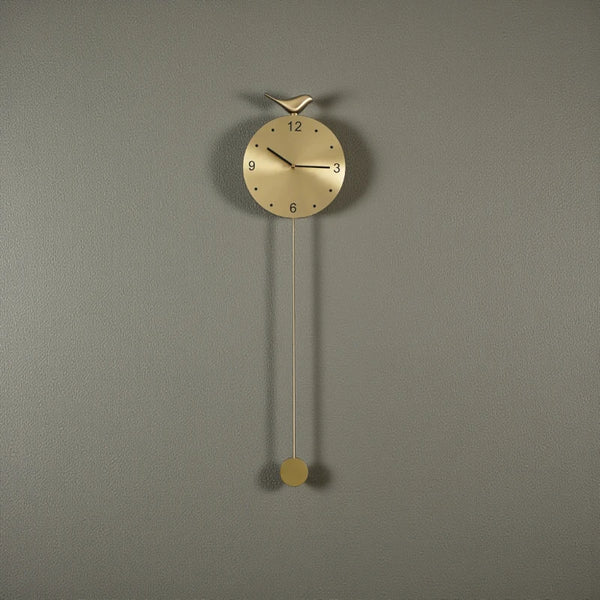
Heirloom quality stems from the superior craftsmanship of the outer casing. These clocks are built to endure, intended for future generations. They are investments in family history rather than temporary decor.
"A finely crafted wooden clock does not just occupy space; it inherits the history of the room it inhabits through every chime."
This article is part of our pendulum series; for the full walkthrough, start with the complete pendulum wall clock repair guide.
Mechanical Key-Wound Versus Battery-Operated Quartz Movements
While the exterior catches the eye, the true soul of the clock lies within the movement, where tradition meets modern convenience.
The Mechanics of Weight-Driven and Key-Wound Systems
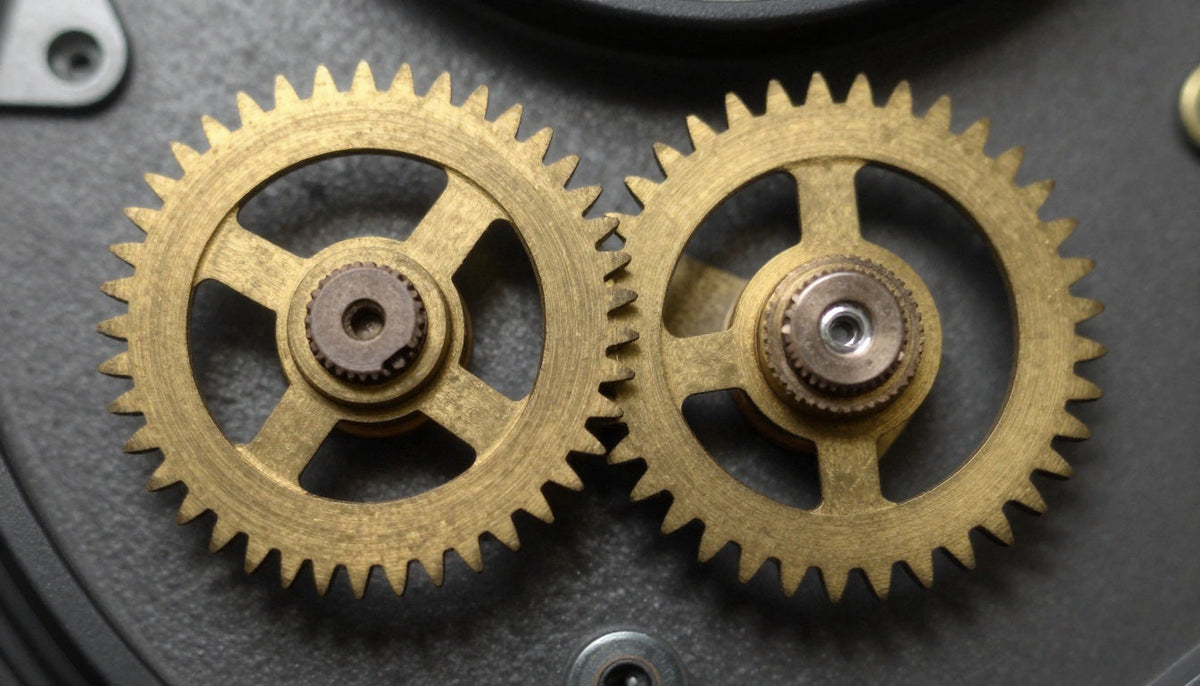
Weight-driven clocks use gravity to function. Key-wound versions rely on a coiled mainspring for power. These unique pendulum wall clocks embody classic engineering principles.

The weekly winding ritual creates a deep connection. It transforms a simple machine into a living object. This routine defines the experience for any true horology enthusiast.
Mechanical movements offer immense long-term value. Specialists, like those at a German precision clock manufacture, can repair them easily. This longevity justifies the investment for collectors.
Modern Quartz Precision and Electronic Sound
Quartz clocks offer a maintenance-free appeal. They run on simple batteries without manual intervention. This accuracy is perfect for a busy modern lifestyle. You just set it and forget it.
Electronic sound modules mimic traditional chimes using digital recordings. Many models include volume control or night-time shut-off features. These additions provide great flexibility for your home environment.
Quartz is undeniably affordable and accessible. However, it lacks the mechanical soul of a ticking escapement. It is a practical choice rather than an heirloom.
| Feature | Mechanical Movement | Quartz Movement |
|---|---|---|
| Power Source | Weights/Springs | Battery |
| Maintenance | Professional service | None |
| Accuracy | High | Superior |
| Sound Type | Physical Hammers | Digital |
| Lifespan | Decades | Years |
How Pendulum Length and Oscillation Dictate Accuracy
Beyond the power source, the steady swing of the pendulum serves as the rhythmic heartbeat that governs every passing second.
Science of Oscillation and Timekeeping Regulation
Gravity pulls the bob down. Momentum carries it back up. This cycle creates a constant interval.
A longer rod results in a slower swing. Conversely, shortening the rod makes the clock run faster. Precision depends on this exact distance.
Even a tiny deviation adds up. Proper calibration ensures the clock doesn't lose minutes over a week. Look at the 2026 precision pendulum clocks for ultimate mastery.
Identifying Westminster and Whittington Chime Melodies
Westminster is the most famous. St. Michael and Whittington offer distinct, complex alternatives for variety. These define unique pendulum wall clocks.

Mechanical clocks use hammers striking metal rods. Digital versions use audio speakers. The physical strike produces a richer, more resonant tone that fills a room. It feels alive.
These sequences originated from famous English churches. They provide a sense of timeless tradition to any home.
3 Practical Solutions for Common Pendulum Issues
Even the most reliable clocks can falter, but most issues are easily solved with a bit of patience and a steady hand.
Calibrating the Bob for Precise Timing
Locate the small adjustment nut at the very bottom of the pendulum. This screw controls the vertical position of the heavy bob. Turning it effectively alters the center of gravity.
Remember the "up for fast" rule. Moving the bob upward shortens the swing arc. This speeds up the clock. Conversely, lowering the bob slows down the timekeeping significantly.
Check the time against a digital clock every 24 hours. Small, incremental adjustments are better than large ones. This patience helps you find the perfect sweet spot.
Fixing a Pendulum That Refuses to Swing
A clock must be perfectly vertical to function. If your wall is even slightly slanted, the pendulum will hit the case. This friction eventually causes the motion to stop.
Internal friction is a common culprit. Dust often clogs the delicate brass gears over time. Use a soft brush for basic cleaning. Never apply heavy oils that attract more grime.
Ensure the crutch is properly engaged with the pendulum leader. Sometimes, the mechanism just needs a nudge. A gentle push is often all it needs to start the beat.
- Level the clock horizontally and vertically
- Check for obstructions inside the case
- Listen for an even 'tick-tock' sound
Whether you own a luxury Seiko or one of those 64.00 $ unique pendulum wall clocks featuring whimsical fish or avocado designs, maintaining a steady beat is the secret to longevity.
Choosing between artisanal whimsical designs, solid wood heirlooms, or precision quartz movements defines your home's character. Calibrate your pendulum's length today to ensure perfect timing and lasting reliability. Transform your living space into a rhythmic sanctuary where every unique pendulum wall clock tells a timeless story.
Your questions, answered
What makes whimsical handmade pendulum clocks different from brands like Seiko?
Why should I choose a solid wood pendulum clock for my home?
How do I decide between a mechanical movement and a quartz system?
What is the difference between Westminster and Whittington chimes?