How to find the best minimalist clocks for your home
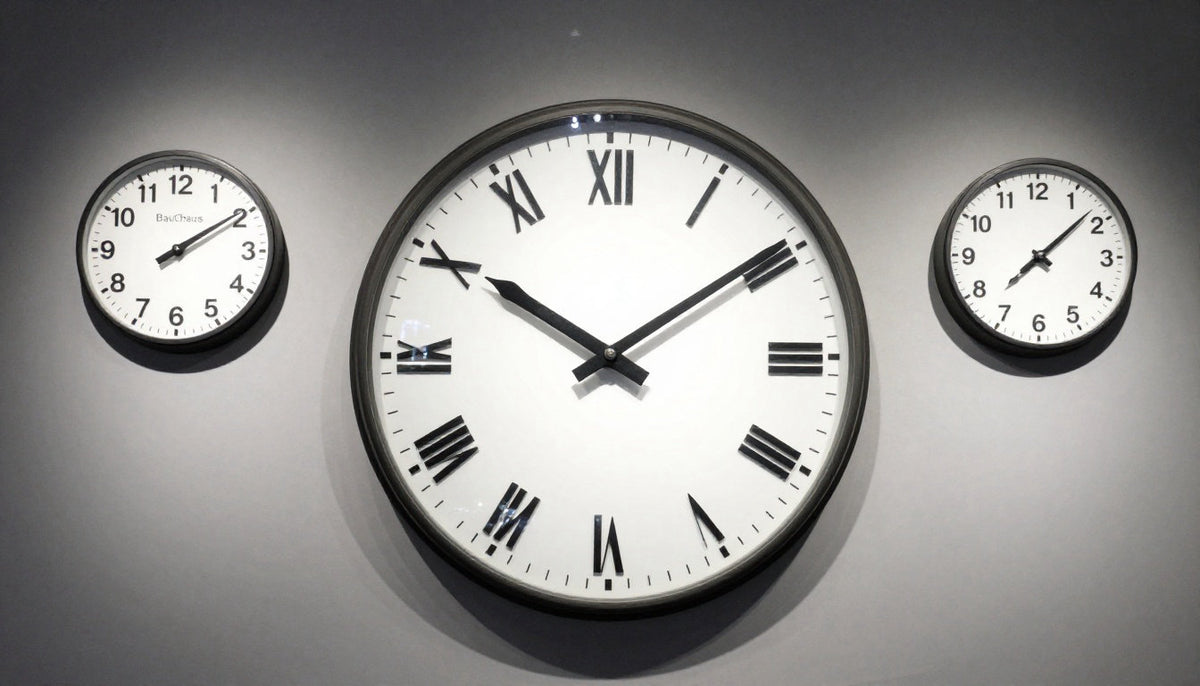
Essential to remember : Choosing a minimalist clock requires balancing visual scale with acoustic comfort. Prioritizing silent sweep movements eliminates distracting ticking, transforming a functional object into a tool for mental clarity. This "Calm Tech" approach, exemplified by Bauhaus-inspired designs or E-Ink displays, ensures your timepiece enhances your environment's tranquility without becoming a source of sensory stress.
Does the constant ticking of a traditional clock disrupt your focus or ruin a peaceful night of sleep? Our guide to the Best minimalist clocks for home 2026 showcases silent sweep movements and sleek, numberless designs that transform timekeeping into a serene visual experience. Discover how these functional art pieces use calm technology and organic textures to harmonize your living space while eliminating acoustic clutter.
- Key Criteria For Picking The Best Minimalist Clocks
- The Bauhaus-Inspired Analog Wall Clock
- Sunrise Simulation Alarm Clocks For Gentle Wakeups
- Japandi Wood Designs For Organic Textures
- Industrial Matte Metal Statements For Modern Spaces
- Digital Minimalist Widgets For Smart Home Hubs
- Architectural Concrete And Glass Desk Clocks
To see the style in real pieces, browse our minimalist wall clocks collection.
Key Criteria For Picking The Best Minimalist Clocks
Choosing a timepiece isn't just about utility anymore; it's about how that object breathes within your personal space. When hunting for the Best minimalist clocks for home 2026, you need to think about visual silence as much as timekeeping.
Scaling The Diameter To Your Wall Dimensions
The ratio between the clock face and negative space is everything. A tiny clock on a vast wall looks like an afterthought. Aim for a balance that feels intentional. You want the object to belong.
Oversized focal points command attention in minimalist lofts. Browse our Large Wall Clocks collection for statement pieces that work in spacious rooms. In contrast, smaller pieces maintain a quiet, functional flow. These subtle designs work best in compact offices or kitchens. It is about matching the room's volume.
Stand in the furthest corner to test the scale. Ensure the hands are legible without squinting. Visibility is the primary job, even for an art piece. If you can't read it, it's just a circle.
Eye level is the standard for placement height. Higher spots work well for larger diameters. Keep it centered or mathematically offset for a clean look.
Silent Sweep Movements For Acoustic Peace
Traditional ticks can be rhythmic or distracting. Modern silent sweeps offer a fluid, continuous motion. This eliminates the staccato sound entirely. It transforms a mechanical tool into a serene presence.
Noise-free environments improve deep focus in home offices. In bedrooms, the absence of sound promotes better sleep hygiene. It removes a subtle, constant stressor from your environment. Silence is a luxury.
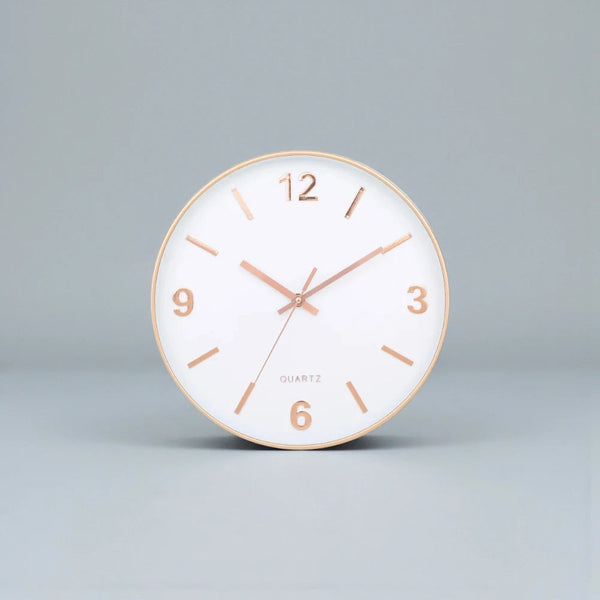
Look for Japanese or German quartz engineering. These standards ensure precision and longevity. They won't develop a mechanical rattle over time. Quality internals matter as much as the frame.
High-end brands like Mudita prioritize this "Calm Tech" philosophy. It's about technology that respects your peace of mind. Your home should remain a sanctuary.
The Bauhaus-Inspired Analog Wall Clock
Moving from general criteria to specific design schools, let's start with the most influential movement in functional aesthetics.

The "form follows function" mantra defines these pieces. Bauhaus clocks utilize primary shapes and clean typography. They avoid unnecessary ornamentation to keep the interface purely legible.
The Arne Jacobson Station clock is a prime example of timeless design. Its robust construction fits modern or vintage decors easily. It remains a staple for those who value architectural history.
Minimalism is not the lack of something. It is simply the perfect amount of something, where every line serves a clear purpose.
Monochromatic palettes dominate this category. Black hands on a white face provide the highest contrast. This simplicity is why these Modern Wall Clocks designs never truly go out of style.
Sunrise Simulation Alarm Clocks For Gentle Wakeups
Shift the focus from the wall to the bedside table, where function meets biological rhythm.
Light-based waking changes everything. These clocks mimic the sun to pull you out of sleep naturally. It's a much softer alternative to a blaring phone alarm.
I highly recommend the Loftie Clock for its two-stage alarm system. It uses soothing tones to reduce morning cortisol spikes. This approach aligns perfectly with a minimalist lifestyle focused on well-being.
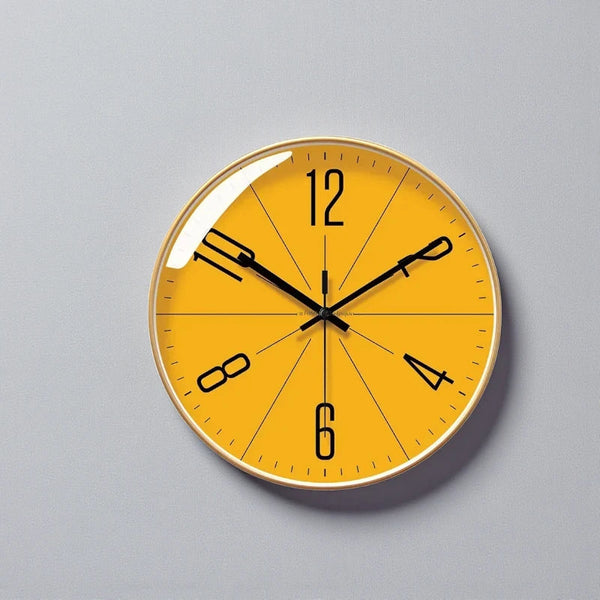
Ditching the smartphone is a major win. Keeping screens away from the bed improves sleep quality. A dedicated alarm clock is a simple tool for a better night.
Integrating Best minimalist clocks for home 2026 into your routine supports your body's internal clock through these specific advantages:
- Gradual light increase
- Natural hormone regulation
- Reduced morning grogginess

Japandi Wood Designs For Organic Textures
If the previous options felt too clinical, consider the warmth of natural materials found in the Japandi trend.
Japandi style defines a specific harmony. It blends Japanese minimalism with Scandinavian functionality. The result is a warm, organic feel that uses light woods like oak or ash.
The Oct17 Wooden Alarm Clock perfectly embodies this. It features a clever MDF wood finish with a hidden LED display. Numbers shine through the veneer only when needed, maintaining a clean look.
Texture and sustainability matter here. Natural wood adds a tactile element to a room. It ages gracefully, developing a unique character that plastic simply cannot replicate for the best minimalist clocks for home 2026.
Industrial Matte Metal Statements For Modern Spaces
For those who prefer a sharper, more urban edge, metal offers a different kind of minimalist strength.
Matte finishes define modern elegance. Powder-coated steel or aluminum creates a non-reflective, sophisticated surface. These clocks work well in industrial lofts or kitchens.

Metal ensures impressive durability. These pieces resist wear better than cheaper materials. A heavy metal clock feels substantial and high-quality on your wall.
Charcoal, navy, or brushed bronze are popular choices. These tones provide a bold contrast against neutral walls. They anchor the room without cluttering the space.
| Style | Material | Best For | Vibe |
|---|---|---|---|
| Bauhaus | Steel | Office | Functional |
| Japandi | Wood | Bedroom | Serene |
| Industrial | Steel | Kitchen | Urban |
| Architectural | Concrete | Living Room | Bold |
Selecting the Best minimalist clocks for home 2026 means choosing raw materials that guarantee a timeless look.
Digital Minimalist Widgets For Smart Home Hubs
Minimalism isn't strictly analog; it also thrives in the digital interfaces of our smart homes.
E-Ink displays are rapidly gaining ground. They mimic the texture of real paper and skip the harsh blue light entirely. This makes them a subtle, non-intrusive presence in any quiet room.
The Mudita Harmony 2 stands out as a clear leader here. Its E-Ink screen focuses on improving sleep habits without digital clutter. It is a tech-forward device that deeply respects your need for tranquility.
Customizing your smart hub is the final step. You can opt for ultra-minimalist clock faces for your displays. This ensures your " Best minimalist clocks for home 2026 " setup remains a tool, not a visual distraction.

Architectural Concrete And Glass Desk Clocks
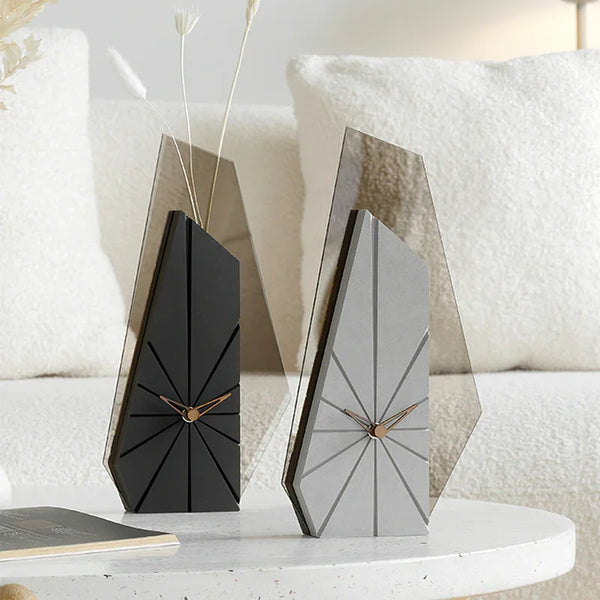
Finally, we look at clocks that double as miniature sculptures, using raw architectural materials.Concrete is heavy, tactile, and unapologetically raw. These desk clocks act as anchors for a workspace, providing a sense of permanence. They feel like small monuments on your desk.

Contrast concrete with glass elements. Transparent faces or glass domes add a layer of lightness. This juxtaposition of heavy and light materials is a hallmark of high-end architectural design.
Focus on the small details. Look for etched indices instead of printed numbers. These subtle touches reward the viewer upon closer inspection without shouting for attention in your Best minimalist clocks for home 2026 selection.
"A clock should do more than tell time; it should define the space it occupies through its materiality and silence."
Choosing the best minimalist clocks for home 2026 means balancing silent sweep movements with intentional scale. Invest in Bauhaus-inspired legibility or organic Japandi textures to transform your walls into serene, functional galleries. Elevate your daily rhythm now with a timeless piece that masters the art of silence.
Your questions, answered
How do I choose the right size minimalist clock for my room?
What is the difference between "step" and "silent sweep" movements?
Why are Bauhaus designs considered the gold standard for minimalist clocks?
Are digital minimalist clocks better for sleep than traditional ones?