Wall clock maintenance: keep your timepiece perfect
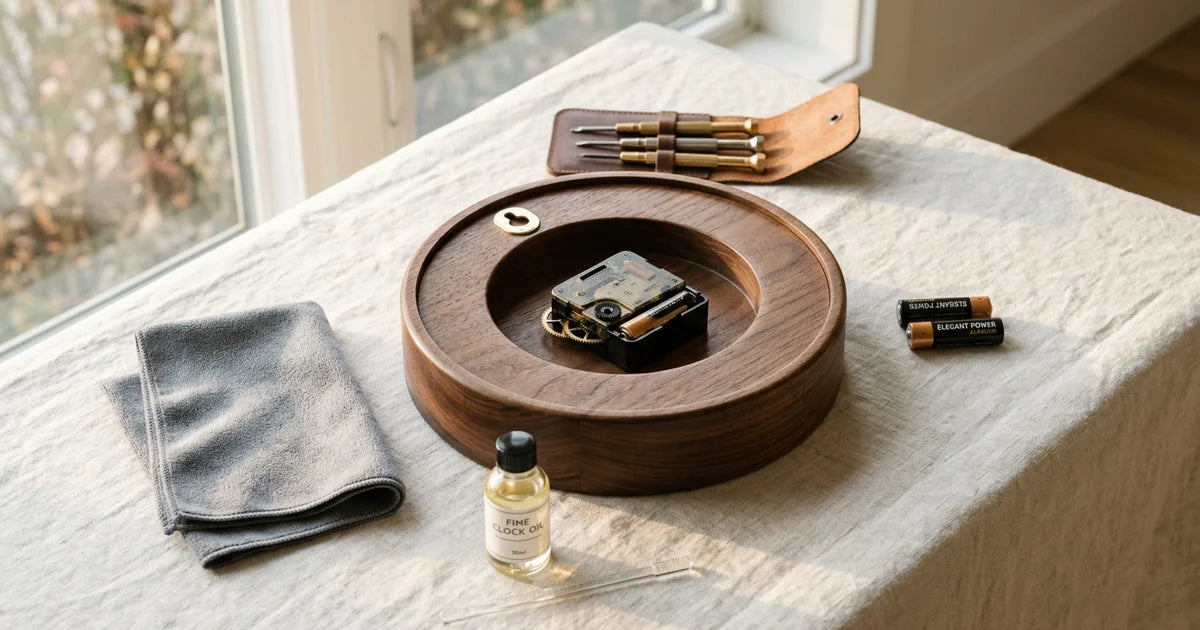
Essential to remember : Proper wall clock maintenance requires gentle dusting and a stable environment away from humidity and direct sunlight to preserve both function and appearance. Since 90% of quartz clock issues stem from battery problems, replace batteries annually with high-quality alkaline cells to prevent acid leakage that can permanently damage internal mechanisms. Avoid using harsh chemicals like WD-40 and regularly check battery contacts for corrosion buildup to ensure your timepiece remains accurate for years.
Preserving a wall clock requires gentle dusting and a stable environment away from humidity or direct sunlight. Since 90% of quartz malfunctions stem from battery issues, using high-quality alkaline replacements annually is crucial. Avoiding catastrophic errors like applying WD-40 protects delicate mechanisms, ensuring the timepiece remains functional and aesthetically sharp for years.
Is your cherished timepiece constantly losing minutes or stopping completely, slowly turning a functional treasure into nothing more than silent wall decoration? Mastering the art of wall clock maintenance acts as the only reliable solution to restore its precision while preventing costly, irreversible damage to the delicate internal mechanism. We reveal expert cleaning secrets and specific preventative care strategies that guarantee your heirloom remains accurate and visually stunning for generations.
- First Aid for a Failing Clock
- The Art of Keeping Your Clock Looking Sharp
- Long-Term Health: Prevention Is the Best Cure
- When Your Clock Needs More Than a Simple Fix
First Aid for a Failing Clock
For Battery Clocks: Check the Power Source
You might think the motor died, but 90% of quartz issues stem directly from the battery. A weak cell causes erratic timekeeping long before it stops working completely. Don't blame the mechanism yet.

Never buy cheap, low-end batteries for your timepiece. They frequently leak acid that destroys the movement, causing irreversible damage to the internals.
Make it a habit to swap the battery every single year, even if it still runs. Old batteries risk corrosion. Always check the metal contacts for any green or white buildup.
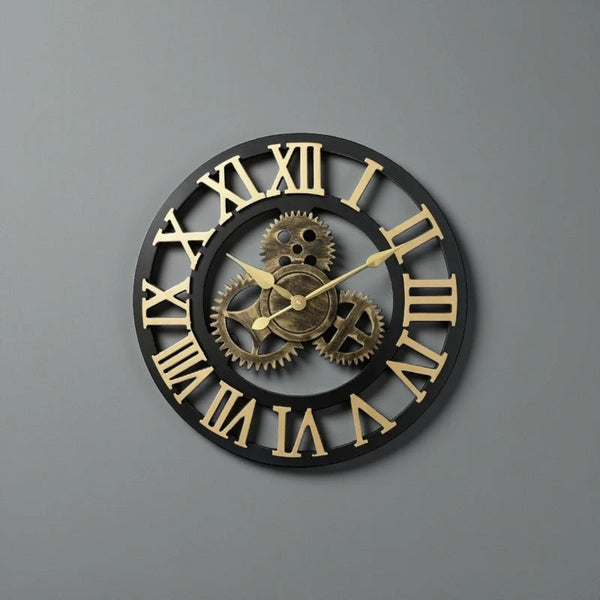
- Always use high-quality alkaline batteries from a reputable brand.
- Replace the battery annually, perhaps on a memorable date like New Year's Day.
- Check that the hands are not physically touching or blocked.
For Mechanical Clocks: The Basics Matter
First, ask the obvious question: is the clock fully wound? Basic wall clock maintenance requires consistent winding to keep it running. For pendulum models, ensure the case sits perfectly level on the wall. If it tilts, the beat fails.

Look closely at the hands to see if they are catching on each other. Sometimes they get bent and block the movement's path. You must ensure clear space between them. If they touch, the clock stops immediately.
The Art of Keeping Your Clock Looking Sharp
Your timepiece is ticking, but is it clean? Proper wall clock maintenance isn't just vanity; it prevents grime from destroying the gears. If it looks like a relic, we have a problem.
Gentle Dusting and Glass Cleaning
Dust is enemy number one. Commit to regular dusting with a soft, dry microfiber cloth. This simple habit prevents particles from invading the delicate mechanism inside.
For glass, skip aggressive chemicals. A cloth dampened with water or vinegar works wonders. Always spray the cloth, never directly on the clock, to avoid liquid seepage.

Caring for Different Materials: Wood vs. Metal
You can't treat oak like brass. Each material has specific needs, and the wrong method can easily cause permanent damage.
Wood hates extreme humidity. Be gentle to preserve that rich finish.
Metal fears oxidation, so keep it dry. The right care routine guarantees beauty and the structural longevity of the case.
- For Wood: After dusting, occasionally apply a quality furniture wax to nourish the material. Avoid silicone-based sprays.
- For Metal: Wipe with a soft, dry cloth. Use a tiny amount of polish for tough spots, but test first. The goal is to prevent rust and tarnish.

Long-Term Health: Prevention Is the Best Cure
Cleaning is good, but preventing damage before it starts is the real secret. The location you choose makes all the difference.
The Right Spot: Avoiding Environmental Damage
Proper wall clock maintenance starts with location. You must avoid direct sunlight at all costs. UV rays fade dials quickly and can eventually crack delicate wood finishes.
Humidity is another silent killer. Never hang a clock in a steamy bathroom or above a stove. Moisture invites rust on metal parts and swells wooden cases.
What Not to Do: Common Maintenance Mistakes
We often think we are helping, but we make things worse. Many "miracle" cleaning products are actually poison for delicate clockwork, ruining the internal balance.
The urge to spray a fluid like WD-40 is strong, but it is a catastrophic error. It destroys the movement.
| Clock Care: The Do's and Don'ts | |
| Smart Maintenance | Damaging Mistakes |
|
|
When Your Clock Needs More Than a Simple Fix
Sometimes, basic wall clock maintenance just isn't enough. You've dusted, you've aligned, but the ticking still feels off. Ignoring these signs isn't just annoying; it's a gamble that could cost you the entire mechanism.
Red Flags That Scream 'Professional Help'
Your clock is practically begging for attention. If you hear weird groans or notice erratic movement, stop right there. These aren't quirks; they are symptoms of imminent failure.
Maybe you swapped the battery, yet it still drags behind. Or perhaps you hear grinding, which points straight to internal wear of the mechanism. Don't try to force gears back into place. That usually ends in disaster.
- The clock consistently runs fast or slow, despite new batteries or adjustments.
- You hear unusual grinding, clicking, or squeaking noises.
- The clock stops randomly for no apparent reason.
- stopped moving completely.
Finding the Right Expert for the Job
Handing over a family heirloom is scary, I get it. You need a certified "horologist," not just a weekend tinkerer. Check local reviews and demand a clear diagnosis. A real pro always provides a detailed quote before touching a single screw.
For branded pieces, go straight to the source first. Giants like Howard Miller offer online tools to locate authorized service centers near you. It's also the safest way to purchase clock parts that actually fit.
Proper wall clock maintenance combines regular cleaning with smart prevention strategies. By using quality batteries, avoiding humidity, and recognizing when to seek professional help, you ensure your timepiece remains accurate and beautiful. Treat your clock with care, and it will serve you faithfully for years to come.
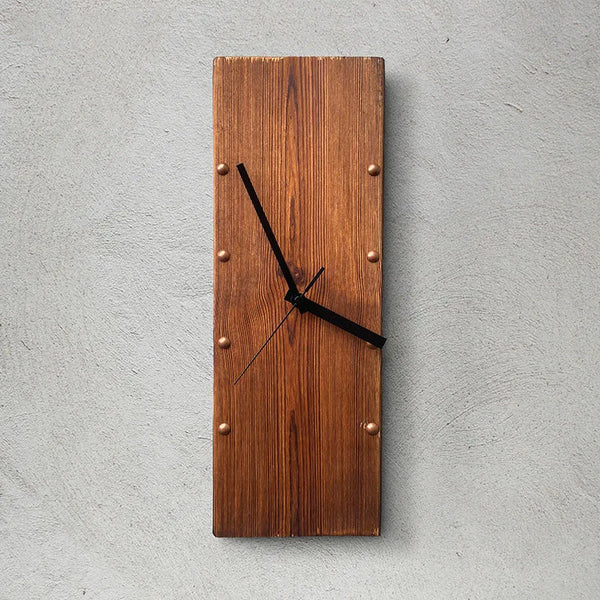
For wooden wall clocks, apply furniture wax to preserve the finish.
Your questions, answered
How do I properly maintain a wall clock?
What are the most common wall clock problems?
Is it necessary to oil a clock spring?
Can I use WD-40 to lubricate my clock mechanism?