How wall clock energy transformation works
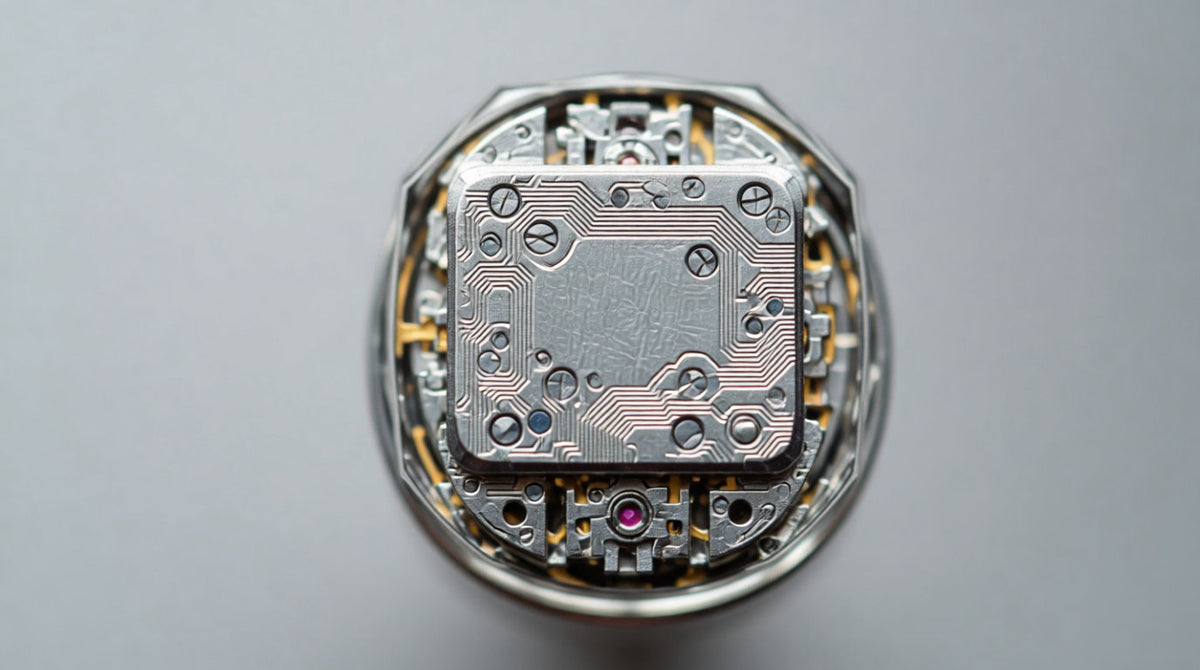
Essential to remember : Timekeeping relies on transforming stored potential energy-gravitational, elastic, or chemical-into regulated kinetic motion. Whether through a mechanical escapement or a quartz crystal vibrating 32,768 times per second, these systems minimize friction to ensure precision. This understanding reveals how clocks turn raw power into a steady, measurable pulse, essential for accurate daily synchronization.
Does your timepiece lose accuracy or stop unexpectedly due to hidden friction and mechanical wear? This guide explores the wall clock energy transformation process, explaining how gravitational potential or batteries turn into the precise rhythmic motion. You will discover how escapements and quartz crystals regulate power to ensure long-term reliability and peak efficiency for your favorite clock.
- Mechanical Clock Energy Transformation Through Gravity and Springs
- Quartz Oscillators and the Shift to Electrical Pulses
- Visual and Acoustic Outputs in Modern Timepieces
- Energy Efficiency Limits and Unconventional Power
You can see these ideas at work in the pieces of our analog wall clocks collection.
Mechanical Clock Energy Transformation Through Gravity and Springs
We live in a digital age where screens dictate our schedule, but the raw physics of old-school clocks remains the most tactile way to see energy change hands. Understanding the Wall clock energy transformation reveals a world of clever mechanics hidden behind the dial.
Gravitational Potential in Weighted Systems
Lifting a clock's weight stores gravitational potential energy. This manual work is the system's primary power source. It sits waiting for gravity to pull.
The weight descends slowly. This steady fall provides the constant force needed for the gears.
This energy transfer is purely mechanical. No wires or batteries are involved in this traditional setup.
Elastic Energy Storage Within Mainsprings
Winding a mainspring tightens the metal coil, packing it with elastic potential energy. The steel wants to unfurl immediately. However, the mechanism holds it back, creating a controlled reservoir of power for the movement. This stored tension is the heart of the clock.
The spring slowly uncoils against the gear train. This drives the hands forward with surprising consistency and strength. It converts potential energy into mechanical torque.
Kinetic Regulation via the Escapement Mechanism
The escapement mechanism releases energy in small, intermittent bursts. This prevents the spring or weight from dumping all its energy at once. It acts as a precise brake.
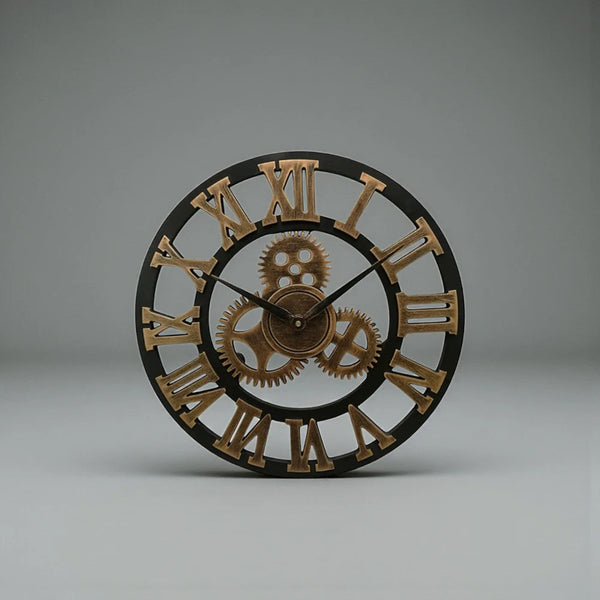
The ticking sound is the physical manifestation of this controlled energy release. It marks the conversion into kinetic motion. This precise energy regulation is beautifully demonstrated in traditional Pendulum Wall Clocks, where you can visually observe the escapement controlling the swing.
The escapement is the gatekeeper of time, turning raw potential energy into the rhythmic kinetic dance of the clock's hands.
To see where that energy actually goes, read how wall clock mechanisms work.
Quartz Oscillators and the Shift to Electrical Pulses
Moving from the heavy weights of the past to the invisible vibrations of modern quartz, electricity now takes the lead. You see, the Wall clock energy transformation has completely ditched gears for high-frequency pulses.
Piezoelectric Vibrations in Quartz Crystals
A battery sends electricity to a tiny quartz tuning fork. This triggers the piezoelectric effect immediately. The crystal vibrates at an incredibly stable frequency. This vibration is the heartbeat of almost every modern watch.
A circuit counts these vibrations to mark exactly one second. It is far more accurate than any mechanical balance wheel. This digital oversight ensures your clock stays perfectly on time without any manual winding or constant adjustments.
- Electrical energy from battery
- Piezoelectric deformation of quartz
- High-frequency oscillation
- Division into one-second pulses
Stepper Motors Converting Electricity to Motion
The circuit sends a pulse to a stepper motor. This motor uses electromagnetism to turn a tiny rotor. It is a direct conversion of electrical signals into physical movement. This is where the magic happens.
Magnetic fields drive the analog hands forward. Each pulse moves the gears exactly one "step" forward. This is why quartz seconds hands usually jump rather than sweep. It is a precise, rhythmic motion dictated by magnetic polarity.

In this setup, electricity is the middleman between chemical energy and physical movement. It is efficient, cheap, and extremely reliable for daily use. You get incredible precision without the friction-heavy complexity of old-school mechanical springs. Today's Modern Wall Clocks predominantly use this quartz technology for superior accuracy and minimal maintenance.
Visual and Acoustic Outputs in Modern Timepieces
Not all energy ends in a moving hand; sometimes, it manifests as a glowing screen or a piercing morning alarm.
Electronic Signal Conversion for LED and LCD Displays
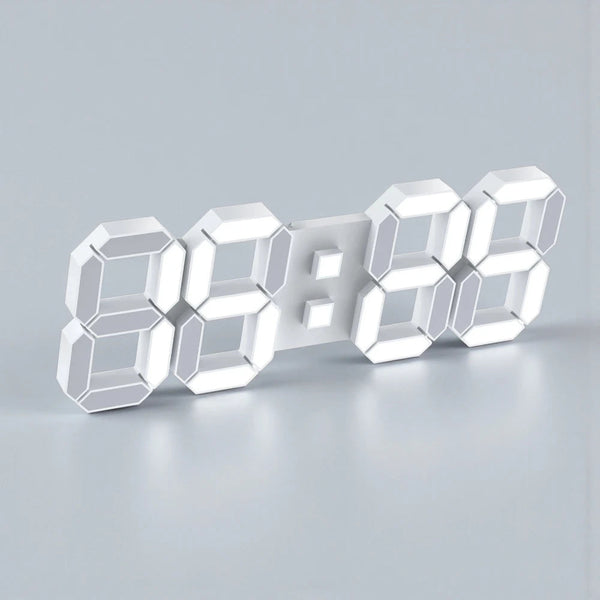
Visible light marks a fascinating shift. In LED clocks, electrical energy directly powers light-emitting diodes. LCDs work differently by realigning crystals to block or pass light. Both turn electrons into information we can see.
Energy consumption varies greatly here. LEDs eat more power because they actively emit light. LCDs are passive and can last years on a single tiny coin cell. It is a trade-off between brightness and longevity.

Digital displays represent the final stage of energy transformation, where invisible currents become the photons that tell us we are late.
Sound Wave Production in Alarm Clock Mechanisms
Turning electricity into audible vibrations is a physical feat. In old alarms, a hammer strikes a bell. In digital ones, a piezo-speaker vibrates a diaphragm using electrical signals. The wall clock energy transformation completes its cycle through motion.
Air is the silent partner in this process. Sound energy requires a medium to travel from the clock to your ear. Without air, the energy transformation would happen but remain silent. You would simply sleep through the vibration.
To understand this acoustic shift, consider these steps:
- Mechanical impact or electrical oscillation
- Vibration of a physical surface
- Compression waves in the air
- Reception by the human eardrum
Energy Efficiency Limits and Unconventional Power
Beyond the standard battery, we have to look at where energy goes missing and where else we might find it.Friction and Heat Loss in Gear Trains
No clock is 100% efficient. Friction between metal teeth turns some kinetic energy into useless heat. This energy dissipation slows the whole system down.

Special oils reduce this resistance to keep the clock accurate. Over time, these oils dry out or collect dust. This increases friction and eventually stops the energy flow entirely.
Physical degradation of parts is simply the result of energy being lost to friction over decades. Wear and tear destroys precision.
Chemical Energy Sources from Batteries to Bio-Cells
Most clocks use alkaline or lithium cells. However, you can power a clock using the citric acid in a lemon. This compares standard batteries with experimental ones.
Electrolytes allow electrons to flow between two different metals. This creates the voltage needed to start the timekeeping circuit. It is the initial chemical-to-electrical shift.
| Technology | Primary Source | Intermediate Energy | Final Output |
|---|---|---|---|
| Mechanical (Weight) | Gravitational potential | Kinetic | Mechanical |
| Mechanical (Spring) | Elastic potential | Kinetic | Mechanical |
| Quartz (Battery) | Chemical potential | Piezoelectric | Electrical/Kinetic |
| Digital (Mains) | Electrical potential | Light | Digital Signal |
The Wall clock energy transformation process relies on these conversions. Whether using gravity or a lemon, the goal remains a steady tick.
From gravitational weights to quartz vibrations, mastering wall clock energy transformation ensures lasting precision. Minimize friction through proper lubrication to protect your timepiece's efficiency. Act now to preserve these intricate mechanisms and enjoy perfectly synchronized mechanical or digital motion for years to come.
Your questions, answered
How does a mechanical wall clock transform energy to keep time?
What is the energy conversion process in a quartz wall clock?
Is energy lost during the clock's operation?
How do digital alarm clocks turn energy into sound?