Selecting a quiet wall clock for better sleep
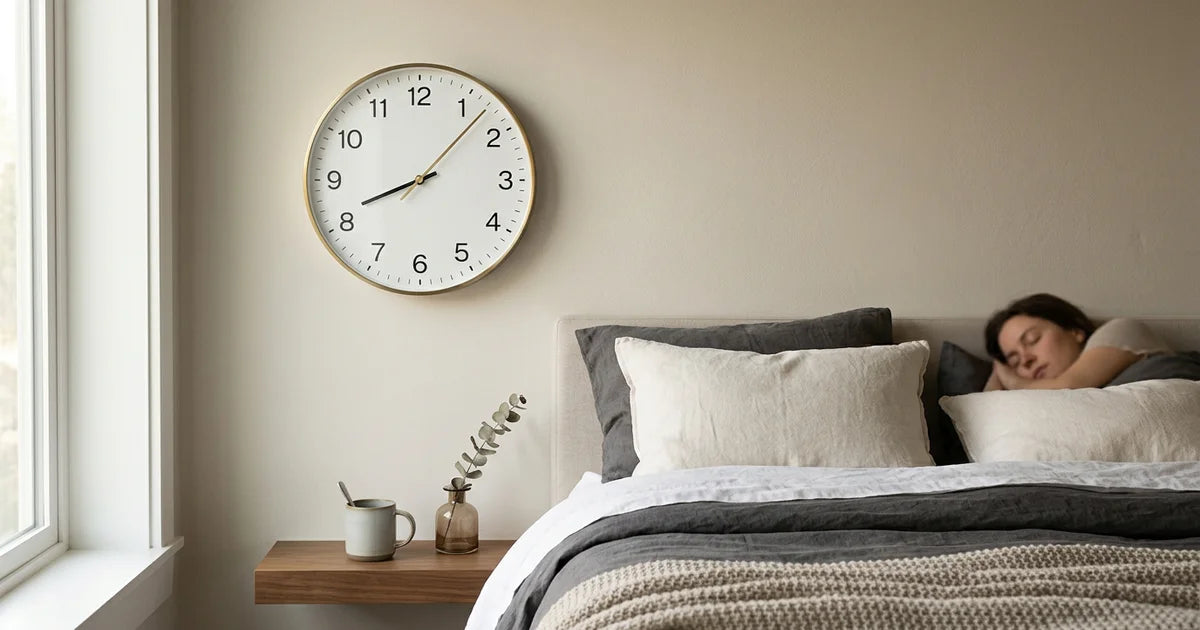
Essential to remember : Traditional ticking wall clocks create a rhythmic distraction that keeps your brain in a state of hyper-alertness, making it nearly impossible to fall asleep peacefully. Silent wall clocks with quartz sweep technology eliminate this disruptive ticking sound by allowing the second hand to glide continuously rather than step. Investing in a quiet timepiece for your bedroom instantly transforms your sleep environment into a tranquil haven for deep, uninterrupted rest.
Deep sleep requires a noise-free environment, making silent wall clocks a crucial investment. These devices rely on specific quartz sweep technology where the second hand glides continuously rather than stepping. By completely eliminating the repetitive ticking sound that stimulates brain alertness, this mechanism guarantees undisturbed rest and a truly peaceful bedroom atmosphere.
Is the relentless, rhythmic ticking of your current timepiece stealing precious hours of rest night after night? We examine how selecting the right silent wall clocks for the bedroom can instantly transform your sleeping environment into a true haven of tranquility. Get ready to discover the exact sweep mechanisms and stylish designs that finally promise the deep, uninterrupted slumber you deserve.
- Why Silent Clocks Matter for Your Bedroom Sanctuary
- Essential Features for the Perfect Silent Wall Clock
- Choosing the Right Size and Placement for Your Bedroom
- The Final Verdict on Silent Timekeeping
Why Silent Clocks Matter for Your Bedroom Sanctuary

The Psychological Impact of Ticking Sounds
That rhythmic clicking isn't just background noise; it forces your brain into a state of hyper-alertness. Instead of drifting off, your mind locks onto the pattern, treating it like a threat. Choosing Wall Clocks for the Bedroom: Quiet Designs for Better Sleep eliminates these sensory triggers. Consequently, you avoid significant sleep disruption.
You lie there, hearing every single second slip away, calculating how little rest remains. This countdown creates a spike in anxiety that makes falling asleep nearly impossible. The mental toll of a noisy bedroom is undeniable.
A truly silent environment is non-negotiable for deep, restorative rest. You simply cannot achieve undisturbed sleep with a metronome in the room.
Understanding the Quiet Sweep Technology
The Quiet Sweep quartz movement fundamentally changes how time is measured on your wall. Unlike standard motors, the internal gears rotate continuously without stopping. This engineering eliminates the mechanical "step" sound entirely.
Traditional clocks tick because the second hand physically halts and restarts every second. In contrast, sweep hands glide seamlessly around the face in one fluid motion. It looks better, but more importantly, it sounds like nothing.
High-quality quartz crystals regulate the oscillator frequency to 32.768KHz, maintaining precision while staying mute. You get exact timekeeping without the acoustic clutter. This specific mechanism is now the gold standard for bedroom clocks. It just works.
Essential Features for the Perfect Silent Wall Clock

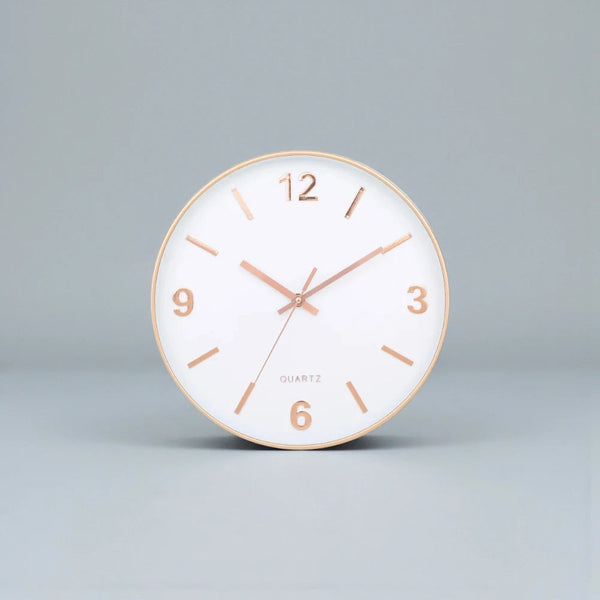
Finding the right timepiece involves more than just silence. When selecting Wall Clocks for the Bedroom: Quiet Designs for Better Sleep, you need to look at the physical build.

Now, let's look at the practical design elements that make the clock livable.
Readability and Visual Design
You need to see the time without squinting. Look for large numbers and high contrast. Large Wall Clocks often feature oversized numerals that enhance bedroom readability. Black digits on a white face work best for instant readability across the room.
Don't settle for open faces. A quality glass lens blocks dust from clogging the hands. This keeps the clock looking sharp and clear.
Nighttime visibility matters too. Illuminated dials offer a soft glow that lets you check the time without blinding yourself.
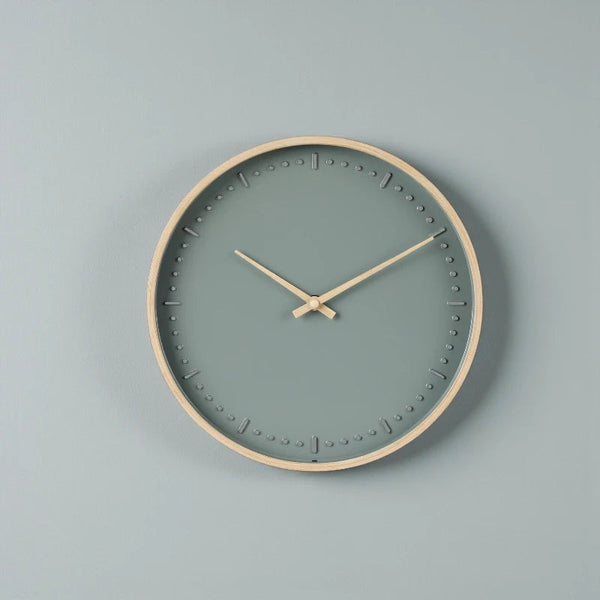
Finally, pick a style. Whether Modern Wall Clocks or Classic, the aesthetic must anchor your decor.
- Large 3D numerals for depth
- Anti-reflective glass cover
- High-contrast color palettes
- Night-light or glow-in-the-dark features
Durability and Power Requirements
Cheap materials vibrate. A solid plastic frame or metal casing ensures longevity. It needs to feel substantial on the wall.
Power is tricky. Most silent movements run on a single AA battery. Manufacturers often recommend carbon-zinc batteries over alkaline for quartz mechanisms.
Mounting shouldn't be a headache. A wide back slot makes hanging simple and keeps the unit level.

Above all, demand time accuracy. A clock that drifts is just wall art.
Choosing the Right Size and Placement for Your Bedroom
Now that you know what to look for, let's figure out where this clock actually fits in your space.
Selecting the Ideal Diameter
Finding the right fit among Wall Clocks for the Bedroom: Quiet Designs for Better Sleep starts with dimensions. A 10-inch clock works for small nooks. The 12-inch is standard, while the 14-inch option suits master suites.
Consider the wall scale. A huge clock in a tiny room feels overwhelming. Balance the size with your existing furniture to keep the aesthetic grounded.
Think about viewing distance. If the clock is far from the bed, go larger. Visibility is the priority here.
Size affects weight. Heavier clocks need secure mounting.
| Clock Size | Best For | Viewing Distance | Pro Tip |
| 10 inch | Small rooms | 6-10 feet | Use adhesive hooks |
| 12 inch | Standard bedrooms | 10-15 feet | Mount at eye level |
| 14 inch | Master suites | 15+ feet | Use wall anchors |
Testing for True Silence
Verify the silent movement yourself. Put your ear close to the back once the battery is in. You should hear nothing.
Watch the second hand. It should move in a smooth, fluid motion. If it stutters or jumps, it is likely a ticking mechanism.
Check for vibration. Sometimes the motor hums against the wall. Ensure the clock has small rubber bumpers.
Trust brand reputation. Known names often have better quality control for their "quiet" claims.
The Final Verdict on Silent Timekeeping
Summing up the benefits, it's clear that the right clock does more than just tell time; it protects your peace.
Why the Investment is Worth It
Eliminating noise sources is the easiest way to improve rest. It is a low-cost health upgrade that pays off immediately. Why let a cheap mechanism ruin your night?
Beyond function, a well-chosen wall clock completes a bedroom's look. It adds a touch of sophistication without the annoying noise. Whether you prefer modern wood or sleek metal, the right piece upgrades the room.
Don't be fooled by bargain bin prices. A cheap clock might start ticking after a few months. Choose quality over price to guarantee long-term silence.
Summary of Top Selection Criteria
Always prioritize the sweep movement. You must specifically look for "non-ticking" labels on the packaging. This is the most vital feature, as standard quartz steps will eventually drive you crazy.
When selecting wall clocks for the bedroom, readability matters too. Make sure the numbers are clear enough for groggy morning eyes.
Keep your maintenance simple with a reliable AA setup. A good quartz mechanism runs for years without fuss, so avoid overcomplicating things.
At the end of the day, silence is golden in any sleeping area.
- Prioritize Sweep Quartz movements
- Check for 12-inch standard sizing
- Verify high-contrast dial designs
- Opt for reputable silent-focused brands
Choosing a silent wall clock is essential for preserving sleep quality. By opting for a quartz model with a sweeping hand, you eliminate annoying ticking sounds while maintaining accurate timekeeping. Whether you select a modern metal or vintage wood design, investing in a quiet mechanism ensures a peaceful and stylish bedroom sanctuary.
Your questions, answered
Why does the ticking sound of a clock disrupt sleep?
How does a quiet sweep quartz movement differ from a standard ticking mechanism?
What is the best placement for a wall clock in a bedroom?
How can I verify if a clock is truly silent?