How to Style a Minimalist Wall Clock
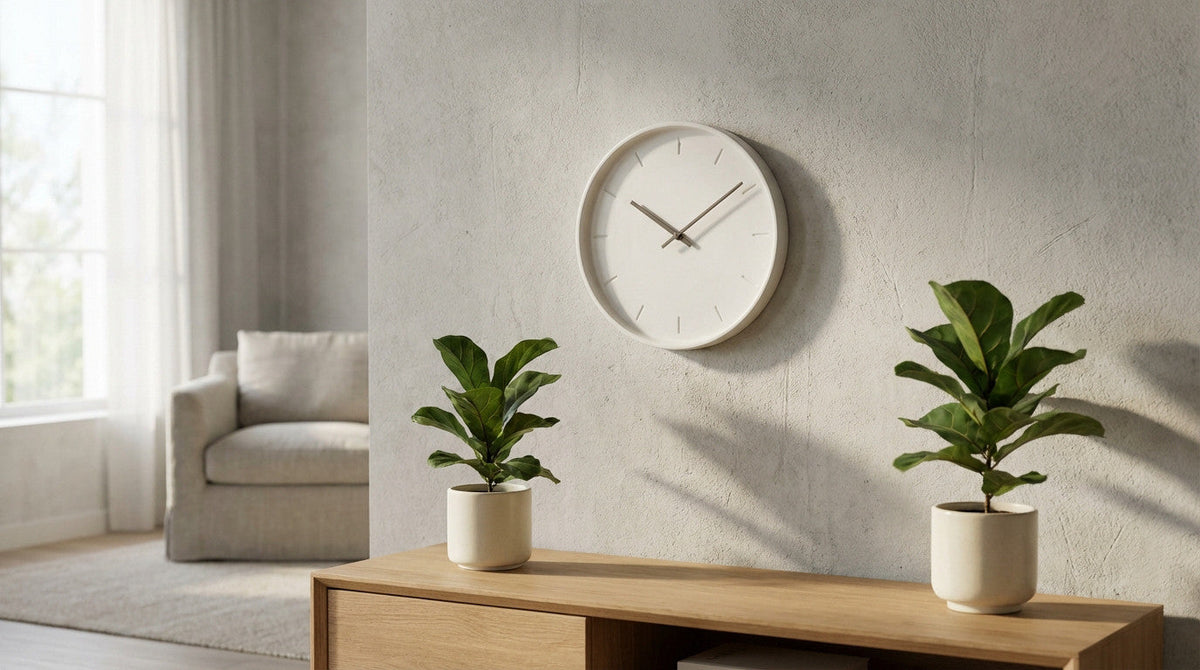
Essential to remember : Minimalist wall clocks transform simple timekeeping into functional art by eliminating visual clutter and prioritizing clean, purposeful design over decorative excess. These refined timepieces, exemplified by brands like Muji and Arne Jacobsen, create visual breathing room that promotes a calmer, more mindful living environment. By embracing the principle that form follows function, minimalist clocks serve as striking focal points that bring order and tranquility to your daily space.
Minimalist wall clocks, exemplified by Muji and Arne Jacobsen designs, prioritize clarity and clean lines to merge utility with decor. This approach transforms a simple time-telling tool into functional wall art that reduces visual noise, creating a calmer and more mindful interior environment.
Does the constant visual noise in your home prevent you from truly relaxing? Minimalist wall clocks solve this by eliminating unnecessary details, offering a silent and sleek alternative that prioritizes clarity. From the industrial precision of Muji to the organic warmth of Scandinavian classics, learn how these refined objects bring a sense of order to your daily life.
- Defining the Essence of Minimalist Wall Clocks
- Notable Designs and Material Innovation
- Integration Guide: Choosing the Perfect Clock
- Minimalism as Functional Wall Art
Defining the Essence of Minimalist Wall Clocks
You see, our living spaces reflect our mindset. We must move away from cluttered decor to the deliberate choice of a minimalist timepiece.
Core Characteristics and the "Less is More" Philosophy

The mantra is simple: every line must serve a purpose. By stripping away the noise of traditional numbers, you create a striking focal point. This approach, seen in Less Is More: The Beauty of Minimalist Wall Clocks (Muji, Scandinavian & Beyond), offers vital visual breathing room.
Modernism birthed this aesthetic. It is not just style; it is the belief that form follows function. No excess, just pure utility wrapped in clean lines.
A simple clock reduces the anxiety of passing time. Its clean, unhurried aesthetics let you breathe easier.
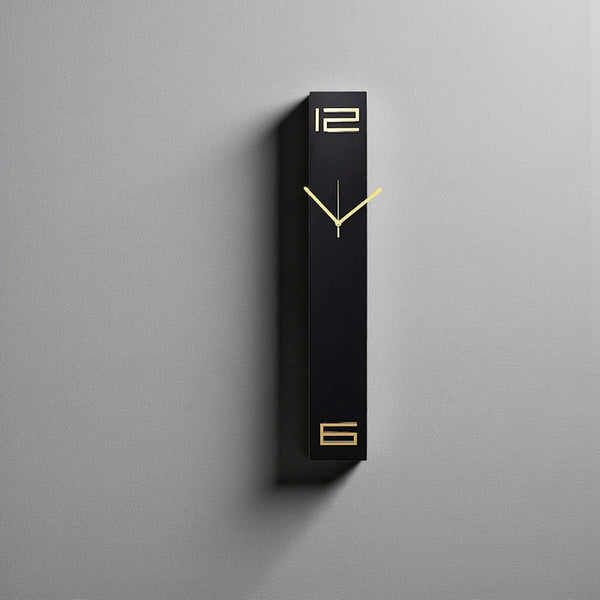
More on the Modern long wall clocks - Rowell →
The Impact of Design on Time Perception
Abstract faces force us to rethink how we read the hour. Some designs rely on shadows or single hands, demanding a more mindful, deliberate interaction with the present moment.
High-precision digital displays often induce stress. In contrast, the soft suggestion of time in analog models actually improves readability by removing distractions.
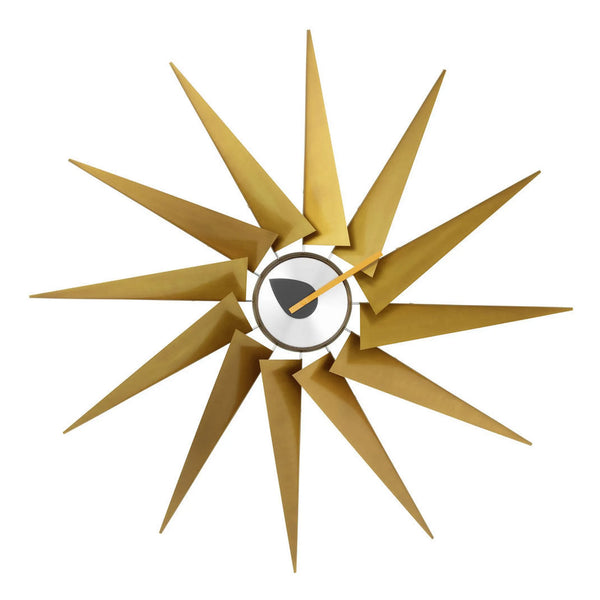
More on the Extra large decorative wall clocks - Orwick →
Unconventional Materials: Concrete, Porcelain, and Glass
Designers are currently exploring raw industrial materials. Concrete adds a heavy, brutalist weight to a room. Conversely, porcelain offers a delicate, organic alternative for softer interiors.
We also see the integration of industrial elements like steel and glass. This mirrors the use of industrial materials like concrete and steel in modern architecture. It shifts the focus to texture.
These choices affect durability and light reflection. A matte finish absorbs light, while glass creates depth. It is about the tactile quality of time.
Integration Guide: Choosing the Perfect Clock
Picking the right piece isn't just about the look; it's about how it fits into your daily life and your specific walls.
Practical Considerations: Size, Silence, and Placement
Size matters more than you think. A tiny clock on a massive wall looks lost. A huge one in a small kitchen feels oppressive. Mastering Less Is More with Minimalist Wall Clocks means finding that perfect balance.
Focus on the "sweep" mechanism. Silent hands are non-negotiable for bedrooms or offices.

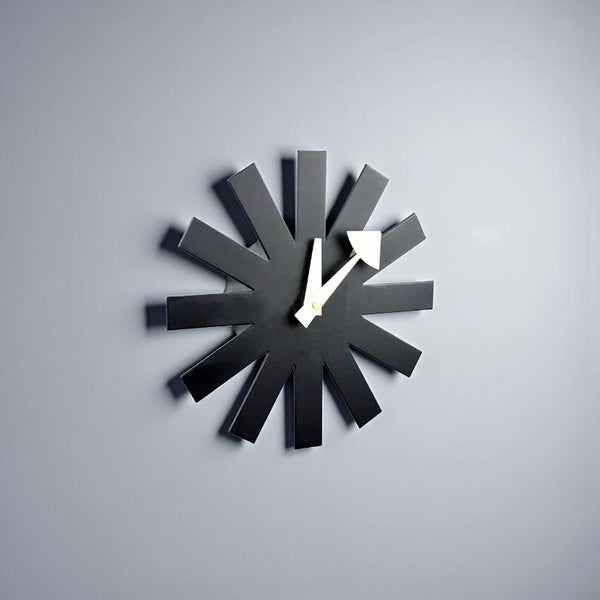
More on the Black decorative wall clock - Lowell →
Comparing Styles: Monochrome vs. Subtle Accents
Black and white are the safe bets. They offer the highest contrast and the most "minimalist" feel.
| Style | Best For | Visual Impact | Recommended Material |
| Monochrome Black | Light Walls | High contrast | Polystyrene (PS) |
| All-White | Dark Walls | Subtle blending | Glass & Resin |
| Natural Wood | Living Areas | Warmth | Oak or Ash |
| Metallic Accents | Offices | Modern luxury | Stainless Steel |
Don't fear a tiny pop of color. A single red hand can break the monotony beautifully.
Final tip on matching textures. If your furniture is oak, a wooden clock face creates a cohesive story.
Minimalism as Functional Wall Art
Ultimately, these clocks are more than tools; they are the final brushstroke on your interior design canvas.
Elevating Your Space with Subtle Presence
Think of the clock as a sculpture. It occupies space without demanding attention. This is the true power of minimalist art in a home.
These pieces bridge the gap between utility and decor. They solve the "empty wall" problem without adding clutter. By selecting clocks defined by simplicity and quality materials, you embrace the ethos of Less Is More: The Beauty of Minimalist Wall Clocks (Muji, Scandinavian & Beyond).
Invest in quality. A well-made minimalist clock lasts a lifetime. It outlives trends by staying true to basic geometric beauty.
Minimalist wall clocks, from Muji’s clean lines to Arne Jacobsen’s architectural classics, merge utility with discreet decoration. These timepieces prioritize clarity and functional design, transforming a simple tool into timeless wall art. Whether choosing digital precision or analog elegance, they offer a sober aesthetic that enhances any interior.
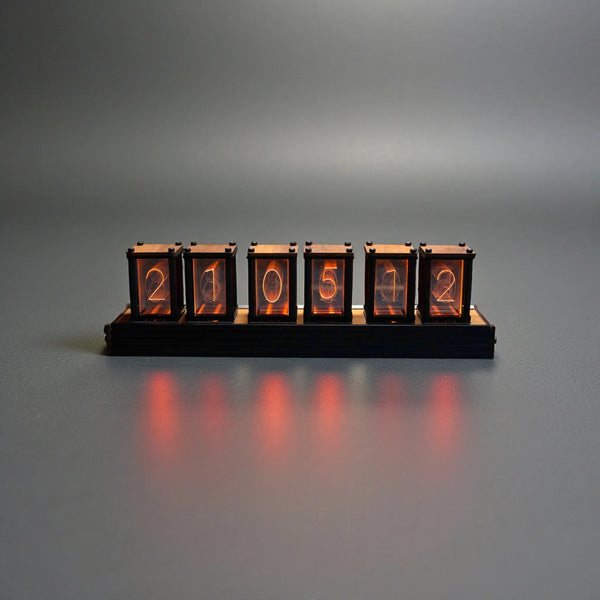
More on the Nixie Tube Clock Kit - Brentnor →
Your questions, answered
What are the dimensions and power requirements for the Muji Station Clock?
What sizes are available for the Arne Jacobsen Bankers Wall Clock?
What materials are used in Arne Jacobsen table and wall clocks?
When was the Arne Jacobsen Bankers clock design created?