How to fix a pendulum not working: A 2026 repair guide
Essential to remember : A clock's functionality relies primarily on a perfectly symmetrical "tick-tock" rhythm and a precise level surface, which are essential to diagnose and fix a pendulum not working. Achieving this balance ensures gravity powers the pendulum correctly, preventing erratic stops or premature internal wear. Notably, even a tiny kink in the suspension spring can act as a brake, completely absorbing the energy required for the swing.
Is your clock silent despite being fully wound, or has your spiritual tool suddenly stopped responding? This guide explores every mechanical and energetic reason to explain "why is my pendulum not working" by addressing issues from uneven beats to blocked intentions. Whether you own vintage grandfather clocks or modern Pendulum Wall Clocks, these troubleshooting steps apply to all pendulum-driven timepieces. You will discover how to recalibrate your instrument, whether it requires a physical leveling or a deep energetic recharge to restore its perfect swing.
- Fixing an Uneven Beat and Leveling Issues
- Checking Power Sources and Clearing Physical Friction
- Inspecting the Pendulum Hanger and Avoiding Oiling Myths
- Identifying Movement Wear and Knowing When to Stop
Fixing an Uneven Beat and Leveling Issues
A silent clock is a real headache, but the fix often lies in the rhythm. Before you panic, let's bridge the gap between a dead pendulum and a working heartbeat by checking the mechanical symmetry.
Achieving a Perfect Tick-Tock Rhythm
Think of the beat as your clock's heartbeat. It must sound perfectly symmetrical, like a steady metronome. Listen closely for any limping or irregular patterns in the sound.
You can fix this by adjusting the crutch. Gently nudge this small metal arm connected to the pendulum. Small movements left or right are key until the "tick" and "tock" space evenly.
Even high-end simulations, like those in physical engine libraries, fail if parameters aren't exact. Your mechanical clock requires that same precision to keep moving.
Why a Level Surface Is Non-Negotiable
Gravity is the engine of your pendulum. If the case tilts, the swing becomes lopsided and eventually stops. Use a bubble level on the top or inside to verify the alignment.
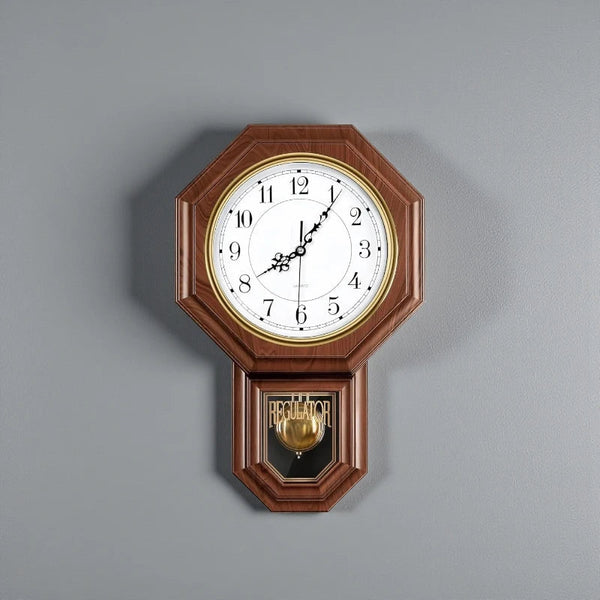
Check both the side-to-side and front-to-back lean. Floor clocks often settle into carpets over time, while Large Wall Clocks shift during winding due to their weight. Don't let a slight tilt ruin the momentum.
Stop losing time to simple friction and ensure stability with these quick fixes:
- Use a small shim for floor clocks
- Tighten wall anchors
- Re-check level after every winding session
If the problem goes beyond the pendulum itself, the complete pendulum wall clock repair guide walks through every component.
Checking Power Sources and Clearing Physical Friction in a Pendulum Not Working
Once the rhythm is set, we need to ensure the "fuel" is reaching the gears without hitting any roadblocks.
Winding Mechanical Movements and Checking Quartz Batteries
Verify the weights or springs first. A fully wound clock is a happy clock. Ensure the weights are on the correct sides if they differ.
For quartz movements, check for battery leakage. Clean the contacts with a cotton swab and alcohol. A tiny bit of corrosion stops the pulse. Even advanced robotic control systems fail when the power signal is inconsistent.
Check that the weights hang freely. They should not touch the sides of the case or each other. Cables must be seated properly on their pulleys.
Eliminating Hand Interference and External Obstructions
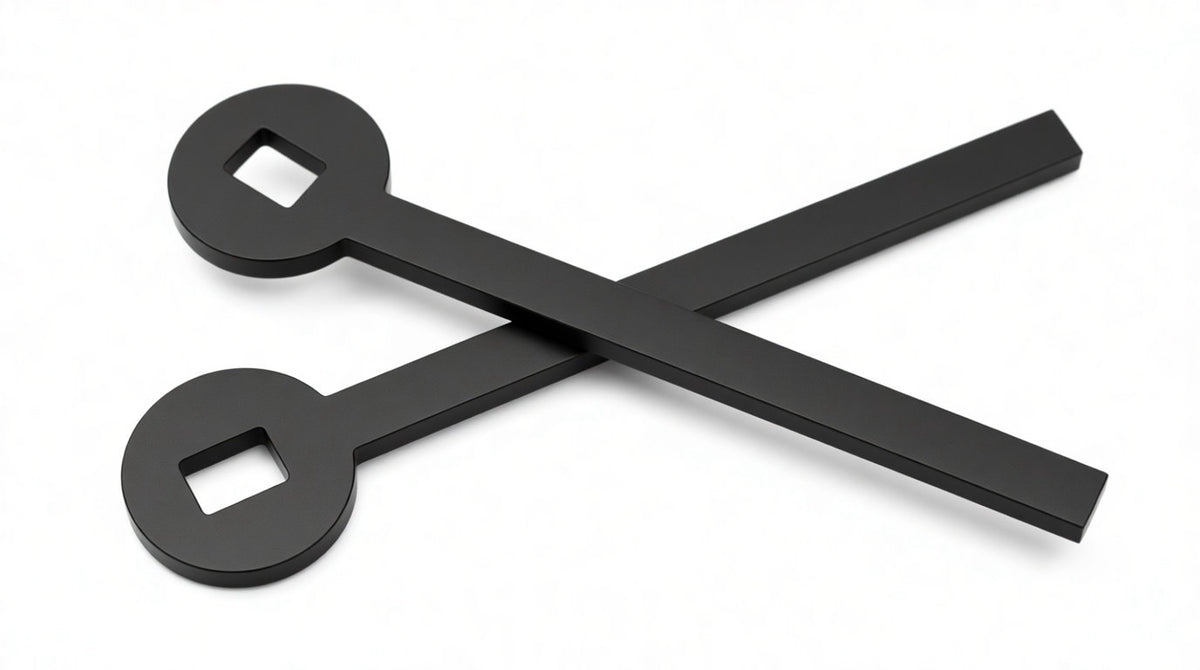
Look at the hands from the side. The hour and minute hands often rub against each other. This friction is enough to stop the movement.
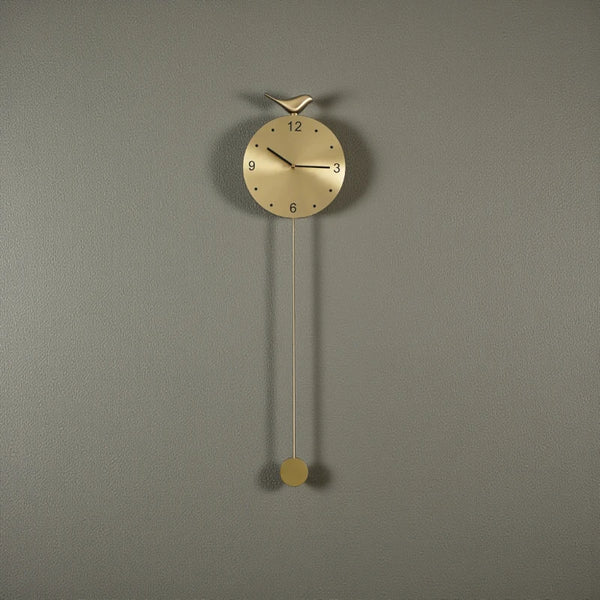

Check the glass door and the dial. Sometimes the hands catch on the hour markers. Gently bend them back if they are touching the surface.
| Obstruction | Visual Sign | Quick Fix |
| Hands touching | Hands overlap and stick | Gently bend hands apart |
| Weight cables tangled | Weights tilted or stuck | Reseat cable on pulley |
| Pendulum hitting wires | Scraping sound or wobble | Clear internal obstructions |
Is your clock still silent? Why is my pendulum not working? Often, the simplest physical block is the culprit. Double-check these clearances before moving to complex repairs.
Inspecting the Pendulum Hanger and Avoiding Oiling Myths
If the hands are clear but the swing still dies, we have to look at the delicate parts holding the pendulum.
Repairing the Suspension Spring and Pendulum Leader
The suspension spring is a tiny, thin piece of steel. If it is kinked or twisted, the energy won't transfer. Inspect it with a magnifying glass.
Check the leader and the crutch pin. These parts must be straight and move without binding. A bent leader is a very common DIY fix.
The Truth About Clock Oil Versus Household Lubricants
Never use WD-40 or cooking oils. These products turn into sticky "gum" over time. They will eventually seize the movement and cause permanent damage. Only use synthetic clock oil.
Apply oil only to the pivot points. Use a tiny needle or a specialized oiler. A little goes a long way; don't drown the movement.
Clean old grease off first. Use a pegwood stick or a toothpick to gently scrape away the black grime from the holes.
Identifying Movement Wear and Knowing When to Stop
Sometimes, despite your best efforts, the problem lies deeper within the metal itself.
Recognizing Terminal Wear in the Escapement
Look at the brass plates where the gears spin. If the holes are oval instead of round, the bushings are worn. This causes the gears to tilt.
Does the clock run fast without the pendulum? This is normal, but if it won't run at all with it, the escapement is likely failing.
Complex equations for motion, like those solved by advanced mathematical software, show how even tiny friction changes ruin a pendulum's period.
Choosing Between Professional Servicing and DIY Replacement
A professional overhaul involves complete disassembly and ultrasonic cleaning. This is expensive but necessary for antique heirlooms. Know your limits before taking things apart.
For modern quartz or cheap mechanical movements, replacement is often cheaper. Swapping the whole "guts" of the clock can save you hours of frustration.

Restore your clock's heartbeat by perfecting its rhythmic beat, ensuring a level surface, and clearing physical obstructions like touching hands. Addressing these mechanical hurdles now prevents permanent gear wear, guaranteeing a reliable timepiece for years to come. Master your pendulum not working issues today to enjoy a perfectly synchronized future.
Your questions, answered
Why does my clock's pendulum keep stopping after a few minutes?
How do I know if my clock is properly leveled?
Can touching clock hands cause the pendulum to stop moving?
What should I do if my spiritual or crystal pendulum isn't responding?